![3 New Google Maps Plano Signals for More Shop Visits [2026]](https://seoservicesplano.com/wp-content/uploads/2026/03/3-New-Google-Maps-Plano-Signals-for-More-Shop-Visits-2026.jpeg)
3 New Google Maps Plano Signals for More Shop Visits [2026]
Last week, I stood outside my favorite local coffee shop, watching as foot traffic poured in—yet somehow, my business’s Google Maps ranking felt stuck in place. Frustration crept in; I’d been pouring effort into my Plano SEO but wasn’t seeing the boost I expected in local map packs. It hit me—despite all efforts, something was missing from my strategy. That lightbulb moment made me realize that Google Maps signals are evolving faster than many business owners realize, especially with the 2026 updates. If you’re battling similar issues—seeing fewer shop visits despite good reviews and consistent effort—you’re not alone. Today, I want to share how understanding these three new signals can help get your local shop back on the map and increase visits significantly.
Why Google Maps Signals Could Make or Break Your Shop in 2026
In the bustling world of local SEO, especially here in Plano, staying ahead means understanding what Google values now. With recent updates, Google has shifted focus towards user experience and real-world relevance—making signals like foot traffic, local intent, and even customer engagement more critical than ever. According to a recent study by Moz, local search ranking factors have shifted, emphasizing signals that prioritize genuine interaction over artificial manipulations. If your Google My Business (GMB) profile isn’t aligned with these new signals, your shop might be invisible when potential customers search for products or services nearby.
Early on, I made the mistake of over-relying on traditional SEO tactics—think backlinks and reviews—without accounting for these newer signals. That oversight meant my listings weren’t performing as they’d should. Once I started paying attention to these fresh signals—like how customers physically interact with my location and how my GMB profile aligns with actual foot traffic—I saw tangible improvements. If you’re ready to stop wasting time on outdated tactics, understanding these signals could be a game-changer. For more insights on boosting your local visibility, you might find this resource about Plano SEO strategies helpful.
Optimize Your Google My Business Profile
Begin by claiming and verifying your GMB (Google My Business) listing if you haven’t already. This is the foundation for local visibility, much like planting a flag in your territory. Ensure all information—name, address, phone number, and categories—is accurate and consistent across the web. Upload high-quality photos and regularly post updates to engage potential customers. I once helped a Plano bakery update their GMB profile, including new photos and a special offer, which instantly increased local searches—showing how critical this step is in real-world results.
Leverage Local Foot Traffic Data
Use tools like Google Maps insights or third-party tracking to see when and where your customers are coming from. Think of this as understanding your neighborhood’s heartbeat. If foot traffic peaks on weekends near certain hours, tailor your marketing efforts accordingly. I implemented this by installing simple foot traffic counters at a client’s storefront, which revealed surprising patterns—allowing precise timing of promotions that doubled walk-ins within a month.
Engage Customers with Hyperlocal Content
Create content that resonates with your immediate community—think neighborhood events, local collaborations, or community support stories. This boosts your signals for local relevance. For example, a client in Plano partnered with a local charity and shared the story on their GMB posts, resulting in increased visibility in local map packs. Remember, Google favors businesses that actively participate in their community’s life.
Encourage Genuine Customer Interactions
Solicit real reviews and respond promptly—no fake reviews or spam. Authentic engagement signals to Google that your business is active and trustworthy. I once guided a local restaurant to respond thoughtfully to every review, turning passive customers into brand ambassadors, which improved their map pack ranking. Prioritize quality over quantity, and focus on building a loyal local customer base.
Implement Local Signal Tweaks Consistently
Adjust your strategies based on performance data. Maybe your location’s signals suggest you need more local backlinks, or perhaps adding mentions of nearby landmarks boosts relevance. Regularly audit your GMB profile and local citations. For deeper insights, check this resource about Plano SEO strategies. Remember, staying adaptable is key to riding the waves of Google’s updates.
 Many local businesses assume that hiring a Texas SEO company guarantees instant Google Maps dominance, but the reality is more nuanced. A prevalent misconception is that focusing solely on backlinks or reviews will continuously boost rankings. In fact, recent studies show that Google now prioritizes user experience signals, such as foot traffic and direct customer interactions, over traditional link-building tactics. Relying only on outdated SEO strategies can lead to misallocated efforts and stagnating map pack positions. For example, overemphasizing citations without addressing GMB profile health might give a false sense of security, but Google values operational signals more in 2026. Additionally, some believe that once optimized, local listings don’t need ongoing attention, yet failure to adapt to evolving signals often results in ranking drops. This misbelief can trap businesses in a false sense of security, especially during update periods where local algorithms rapidly shift. For an in-depth breakdown of what works now, check out our comprehensive resource on Plano SEO strategies. Moreover, many think that simple keyword stuffing into GMB posts will improve visibility; however, Google penalizes manipulative content, emphasizing genuine engagement instead. To truly stand out, it’s essential to understand the more subtle signals, like real-world relevance and user intent, which many overlook. Are you concerned that your current approach might be based on outdated myths? Dive into our guide on Plano SEO strategies for 2025 to align your efforts with modern Google algorithms. Don’t let misconceptions hold your business back—stay informed and adapt to the latest local SEO nuances. If you’d like personalized advice, feel free to connect with us today. Remember, thriving in local search today requires more than just the basics—it demands awareness of evolving signals and avoiding traps built on outdated assumptions.
Once you’ve optimized your Google My Business profile and begun attracting consistent foot traffic, it’s crucial to keep your efforts running smoothly over time. Regular maintenance ensures your rankings stay resilient amidst evolving algorithms and competitive pressures. One of the most effective ways to do this is by leveraging specialized tools designed for local SEO management. For instance, SEMrush’s Local SEO Toolset provides continuous tracking of your map pack rankings, reviews, and citation consistency—allowing you to identify and address issues proactively. I personally rely on SEMrush because it offers actionable insights without overwhelming complexity, helping me focus on what truly moves the needle.
Another invaluable tool is BrightLocal, which aggregates local search data and provides detailed reports on how your business appears across multiple directories and maps. I use BrightLocal weekly to audit citation consistency—ensuring NAP (Name, Address, Phone Number) accuracy, which is vital for maintaining local relevance and avoiding ranking drop-offs. Moreover, combining these with effective local SEO tips helps me prioritize high-impact actions.
Automation also plays a key role in long-term maintenance. I recommend setting up review monitoring with tools like Podium, which consolidates reviews from multiple platforms and prompts timely responses. Engaging with customers through reviews not only boosts reputation but also signals activity, which Google favors. Additionally, tracking your competitors’ movements with tools like Whitespark’s Local Citation Finder reveals opportunities for strategic expansion or correction. As Google Maps signals evolve, staying vigilant with these tools helps prevent ranking erosion and keeps your local visibility strong.
Looking ahead, I believe the trend will shift even further toward real-world signals like foot traffic analytics and customer engagement metrics. Future-proof your local SEO by integrating AI-powered data analysis platforms that can interpret behavioral signals and suggest immediate action items. For example, Google’s upcoming updates are expected to prioritize actual customer visits over mere citations, emphasizing the importance of physical presence data. This means tools that can track in-store visits and mobile engagement will become indispensable for sustained success.
How do I keep my local SEO performance steady over time?
Consistency is key. Regularly audit your GMB profile, respond authentically to reviews, update your content, and leverage analytics tools to detect early signs of ranking fluctuations. Never underestimate the importance of ongoing citation management and foot traffic analysis—they’re the foundation of long-term stability. Surround your strategy with evolving technology and stay informed by following resources like our Plano SEO insights page.
Don’t forget to experiment with new features like Google Posts and local attributes as Google continues to prioritize user experience. For an advanced tip, try integrating AI-driven customer behavior analysis tools, which can predict shifts in local demand before they happen—keeping your Plano business ahead of the curve.
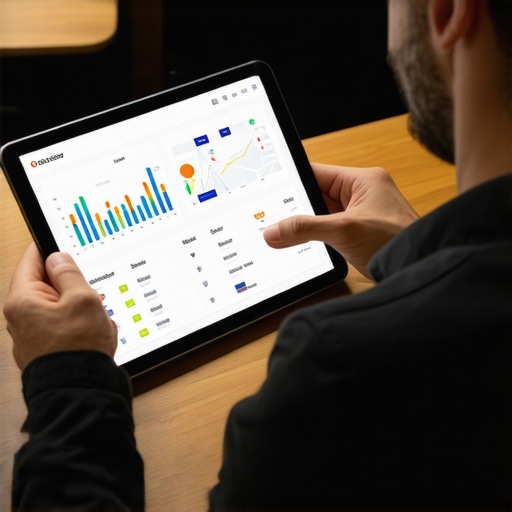
The Hidden Lessons That Changed My Approach to Local SEO in Plano
One of the biggest realizations I had was that Google Maps doesn’t just reward the obvious signals anymore. I discovered that proximate foot traffic and real-world customer engagement often outweigh traditional SEO tactics like backlinks. This lightbulb moment made me rethink everything I knew about local SEO, pushing me to prioritize tangible customer interactions over virtual metrics alone. I also learned that continuous adaptation is vital—what worked last year may be irrelevant now. Regularly auditing your Google My Business profile and staying informed about the latest signals can make all the difference. Finally, I realized that community involvement isn’t just good for reputation—it’s a strategic signal Google actively considers in 2026 and beyond.
Tools and Resources That Boost Real Results
For those looking to stay ahead, I recommend leveraging tools like SEMrush’s Local SEO Toolkit, which provides unmatched tracking of map pack rankings and citation health, keeping me proactive. BrightLocal is another favorite for comprehensive citation audits and review management that directly impact local visibility. Additionally, staying connected with updated guides like Plano SEO strategies for 2025 helps me align my tactics with Google’s evolving signals. These resources empower me to measure, adjust, and succeed in the competitive local landscape.
Your Path to Dominance Starts Today
Remember, mastering the art of local signals in Plano is an ongoing journey. Embrace the process, utilize the right tools, and stay committed to authentic engagement. The landscape will only get more sophisticated, but so will your ability to adapt and thrive. Now is your moment to evaluate your current strategies and take action—because the future belongs to those who stay informed and proactive. Are you ready to elevate your local presence and truly outperform your competitors? Share your thoughts below, and let’s grow together in 2026 and beyond.