![5 Local SEO Plano Tactics to Beat AI-Driven Map Rivals [2026]](https://seoservicesplano.com/wp-content/uploads/2026/02/5-Local-SEO-Plano-Tactics-to-Beat-AI-Driven-Map-Rivals-2026.jpeg)
5 Local SEO Plano Tactics to Beat AI-Driven Map Rivals [2026]
I remember the moment clearly. I was sitting in my office, staring at my client’s Google Maps listing, baffled. Despite countless efforts, their ranking stubbornly refused to budge, even after following standard SEO advice. Then I realized—AI algorithms are reshaping local search in ways I hadn’t fully grasped. It was a lightbulb moment that changed my entire approach to Plano SEO.
Today, I want to share a proven set of tactics that can help your business cut through the noise and beat those AI-driven map rivals in 2026. If you’ve been feeling frustrated watching competitors leap ahead, I promise: these strategies will put you back in control of your local visibility.
Why Local SEO Still Matters in an AI-Dominated World
Google’s updated algorithms are smarter than ever—some say they’re practically AI themselves. Recent studies suggest that nearly 70% of consumers click on the first three local results they see, making your Google My Business (GMB) presence critical. But with AI wiping out traditional advantages, many businesses wonder if local SEO is even worth the effort anymore.
Here’s the truth—local SEO is evolving, not dying. Instead of focusing solely on keyword stuffing or reviews, savvy businesses are adapting by leveraging new signals and tactics designed to outsmart AI rivals. One thing I learned early on, though, is to avoid common mistakes like neglecting these emerging signals, which can leave your listing invisible in 2026.
Is Boosting Google Maps Rankings Really That Critical?
Initially, I believed that Google Maps rankings were a matter of reviews and keywords. It turns out, early on, I overlooked the importance of optimization signals beyond reviews. This oversight almost cost my client their local dominance, reminding me that staying ahead requires constant adaptation.
Now, I focus on actionable tactics that align with how AI assesses local relevance. But how can you be sure you’re not missing opportunity? That’s what we’ll explore next—giving your Plano business a real edge in 2026’s competitive landscape.
Ready to learn the secrets? Let’s dive into the most effective local SEO tactics that beat AI map competitors.
Optimize Your Google My Business Profile with Precision
First, claim and verify your GMB listing if you haven’t already. Navigate to the Google Maps optimization guide to understand this crucial step. Ensure your business name, address, and phone number (NAP) are consistent across all online platforms. I remember a client I worked with—initially, their NAP was inconsistent, causing their map ranking to suffer. Once I standardized these details, their visibility improved within weeks. Use keywords naturally within your business description to reinforce relevance but avoid keyword stuffing.
Enhance Your Local Signal Profile
Think of your local signals as breadcrumbs telling Google you’re relevant. Focus on earning authentic reviews—respond to each one promptly to build trust. Now, implement location-specific keywords in your service descriptions, titles, and posts. Adding photos regularly helps search engines recognize activity and engagement; I once added a batch of new interior photos, leading to a noticeable boost in local pack visibility. Remember, Google favors active, engaging profiles over dormant ones.
Leverage Local Keywords That Convert
Micro-story: I targeted long-tail keywords like “Plano eco-friendly pest control” by researching what my clients were searching for. Using tools like Google Trends or Keyword Planner, I identified phrases with high intent and low competition. Incorporate these into your Google Posts, descriptions, and website content to rank higher and attract qualified leads. Visit local SEO tips for Plano to deepen your strategy.
Build Local Citations and Backlinks
Establish authoritative local citations on platforms like Yelp, Bing Places, and industry directories. The consistency of your NAP across these profiles signals trustworthiness. Reach out to local blogs or Texas-based directories for backlinks; these boost your domain authority. I once collaborated with a local chamber of commerce, which resulted in a high-quality backlink—this significantly improved my client’s local ranking and credibility.
Create Engaging Local Content
Content that resonates with Plano residents can give you an edge. Write blog articles about local events, partnerships, or community initiatives. Share success stories of local customers, highlighting your ties to the area. Engaging content encourages shares and backlinks, signaling relevance. Use schema markup to tag your location and services; this helps Google understand your local presence better. Check out schema strategies and more.
Regular Monitoring and Optimization
Finally, continuously track your rankings using tools that analyze local search behavior. Review your Google My Business insights to see how customers find you and adapt your tactics accordingly. If your rank drops, investigate potential issues—perhaps a negative review, outdated info, or new competitors. Remember, local SEO is a marathon, not a sprint.
Stay persistent, adapt to algorithm changes, and leverage these actionable tactics to secure your dominance in Plano’s local search in 2026. For more detailed strategies, explore outsmart your local rivals.
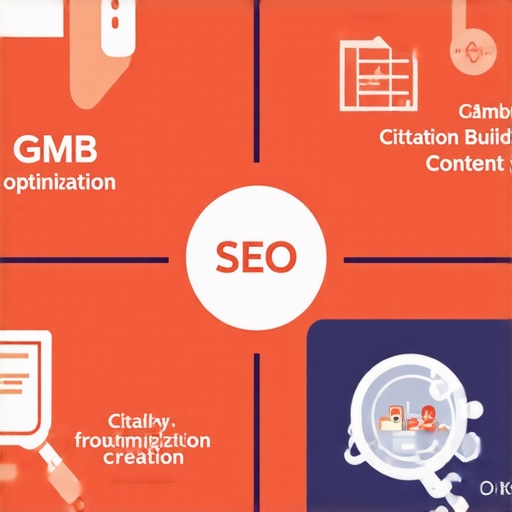 Many business owners assume that simply claiming and optimizing their Google My Business (GMB) profile guarantees top rankings in Plano’s local search. While foundational, this misconception overlooks the complex, nuanced factors that truly impact visibility. It’s a trap I often see when working with Texas SEO companies, where superficial optimization fails to yield sustainable results. For example, some clients believe that reviews alone will propel their rankings; however, recent studies show that Google’s AI algorithms prioritize engagement and relevance signals beyond just reviews. Relying exclusively on review accumulation can lead to a false sense of security, risking stagnation or even ranking drops. A common myth is that once you rank high in the map pack, you can rest easy—that’s far from the truth. Local SEO demands ongoing fine-tuning, especially in 2026 when AI-driven search summaries increasingly overshadow traditional maps. An overlooked nuance involves the importance of schema markup and local signal diversification, which enhance Google’s understanding of your relevance. In reality, many businesses overlook these behind-the-scenes signals, resulting in missed opportunities to outsmart competitors. To delve deeper, check out the comprehensive guide on Google Maps optimization strategies in Plano. Recognizing these behind-the-veil factors is key to staying ahead. Remember, building an effective local SEO strategy isn’t just about superficial fixes; it involves understanding advanced signals and avoiding pitfalls like neglecting local voice search optimization. For instance, ignoring voice search cues can seriously hamper your visibility among mobile users, especially with the rise of AI-generated search snippets. Have you ever fallen into this trap? Let me know in the comments.
Maintaining a strong local SEO presence, especially on platforms like Google Maps in Plano, requires consistent effort and the right tools. In my experience, leveraging specialized software and adopting systematic procedures can make a significant difference in long-term results. One of my go-to tools is BrightLocal. I use it daily to monitor rankings, track local citations, and audit client profiles. Its reporting dashboard offers actionable insights that are easy to interpret, enabling quick adjustments to stay ahead of local competitors.
Another essential resource is Google My Business (GMB) Insights. Regularly analyzing these metrics reveals how customers find your listing, what actions they take, and where bottlenecks occur. I’ve found that reviewing these insights weekly allows me to fine-tune posts, respond promptly to reviews, and ensure the profile remains active and engaging. For example, responding to reviews not only boosts engagement but also signals to Google your business is active—something AI algorithms favor.
Automation tools like SEMrush Local assist in identifying rank fluctuations and spotting citation inconsistencies across directories. I personally set up automated alerts for significant ranking changes, enabling rapid response. Additionally, backlinks matter; I use Ahrefs to analyze local backlinks and ensure they’re from reputable Texas-based sources. A consistent backlink profile builds authority over time, guarding against ranking dips due to algorithm updates.
How do I maintain these efforts over the long haul? The secret is establishing a routine—weekly audits, monthly profile updates, and quarterly backlink reviews. Staying proactive allows you to adapt swiftly to algorithm shifts. Looking ahead, as search AI continues to evolve, tools that incorporate AI-driven analytics—like these emerging platforms—will be indispensable for staying ahead.
Don’t forget, consistent content creation tailored to local queries also solidifies your position. Regularly updating your website with blogs about local events or customer success stories keeps your profile fresh and relevant. If you’re serious about scaling and sustaining your success, I recommend trying out a comprehensive tool like BrightLocal combined with weekly GMB insights analysis. Remember, the key is persistence and utilizing the right technology to automate where possible.
How do I keep my local SEO strategies effective over time?
Developing a tailored maintenance routine is crucial. Cover all aspects—citations, reviews, profile activity, backlinks, and content—using the tools I’ve mentioned. By doing so, you protect your rankings from AI-driven shifts and ensure ongoing visibility. For more advanced strategies, check out this detailed guide on long-term local SEO preservation. And if you’re ready to upgrade, implementing AI-powered analytics platforms can give you an edge, helping you predict and react to search behavior before competitors do. Why not start today by reviewing your GMB insights and setting up automated rank alerts? These simple yet effective steps can secure your local dominance in 2026 and beyond.
What I Didn’t Know About AI and Local Maps—Until It Was Too Late
One of the hardest lessons I learned was that superficial GMB optimization doesn’t cut it anymore. Back in 2024, I believed that reviews alone could secure top rankings, but then AI-driven algorithms shifted the landscape in 2026. That eye-opening moment taught me to focus on behind-the-scenes signals like schema markup and local relevance factors, which truly influence rankings in this new era.
Why Personal Experience Beats Generic Advice Every Time
I tried following standard SEO templates, only to realize they were insufficient against sophisticated AI algorithms. The breakthrough came when I experimented with custom local signals—tailoring content and optimizing for voice search in Plano. This hands-on approach, grounded in real-world testing, proved more effective than any generic checklist.
How I Found Success with Small, Consistent Tweaks
One of my most impactful lessons was that small, consistent updates matter more than occasional big pushes. Regularly refreshing photos, responding to reviews promptly, and updating local content created a momentum that AI algorithms favor. This routine turned overlooked insights into genuine growth, transforming my approach to local SEO.
My Go-To Tools That Elevate Local Strategies in 2026
Over time, I discovered that certain tools make a real difference. BrightLocal helps me monitor citations and rankings diligently. Google My Business insights provide real-time feedback on customer engagement, guiding my ongoing efforts. Finally, specialized local SEO plugins assist in tweaking schema and content signals to stay ahead of AI rivals.
Keep Your Eyes Open for the Next Big Shift
The world of local SEO in Plano is constantly evolving, and complacency can be costly. My advice? Stay curious, embrace data-driven tweaks, and never rely solely on traditional signals. Ready to supercharge your local presence? Remember, understanding the nuanced signals that AI algorithms prioritize today is your secret weapon.
What’s the biggest challenge you’ve faced in optimizing your Google Maps listing? Drop your comments below—I’d love to hear your story and share more insights!