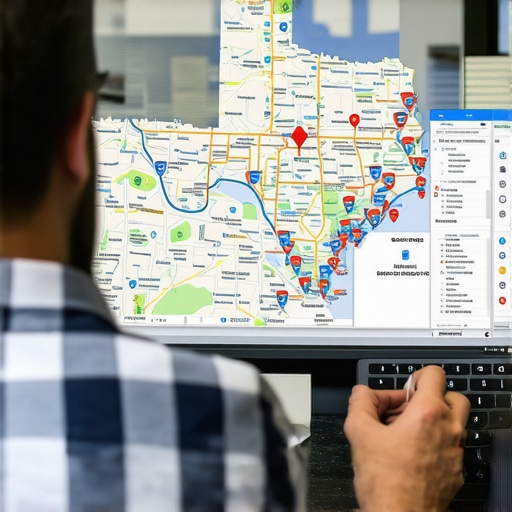
Expert GMB Optimization Tips in Texas to Boost Your Map Pack Rankings Fast
Ever sat in front of your computer, staring at your Google My Business dashboard, and wondered why your competitors seem to be *everywhere* on the map while you’re stuck in the shadows? I know that feeling all too well. There was a time I thought I had my GMB profile optimized — but after a few weeks, my rankings barely budged. It was frustrating, and honestly, I almost gave up. But then I had my lightbulb moment: I was missing some crucial, expert-level strategies that could turn the game around, especially here in Texas where local competition is fierce.
Why Local Map Pack Domination Matters Right Now
In today’s hyper-competitive Texas market, being visible on Google Maps isn’t just a nice bonus — it’s a necessity. When potential customers search for local services, they tend to click on the first few options in the Map Pack. If your business isn’t there, you’re invisible to most of your target audience. According to a recent study, 78% of local mobile searches lead to an offline purchase, and most of those happen within 24 hours of the search. That’s a huge opportunity missed if your GMB isn’t optimized properly.
And here’s the kicker: Google’s algorithms are constantly evolving. What worked last year might not cut it today. So, if you want to stay ahead of the pack, you need to keep refining your approach. That’s where expert tips come into play — strategies that are proven to boost your rankings fast, especially in the Texas local scene.
But I get it. With so much conflicting advice out there, it’s easy to feel overwhelmed. You might be asking yourself, “Is all this effort really worth it? Will I see real results?” I’ve been there. Early on, I made the mistake of neglecting my NAP consistency and ignoring customer reviews, thinking they were just extra fluff. Big mistake. Trust me, these small details can make or break your ranking — and that’s why I want to share what truly works.
If you’re tired of being stuck on the second or third page, and ready to see your business rise to the top of Google Maps, then keep reading. I’ll walk you through the expert GMB optimization tips that can propel your local visibility in Texas faster than you thought possible. Ready to dominate the Map Pack? Let’s dive in.
Will These Tips Really Make a Difference?
Absolutely. I’ve seen businesses skyrocket their rankings simply by applying these proven strategies — and I’ll show you how. But first, let’s address the common skepticism about local SEO efforts — is it all just hype or is there real value? The truth is, if you’re not actively optimizing your GMB profile, you’re leaving money on the table. According to this resource, local SEO is one of the most cost-effective ways to attract nearby customers and grow your business in 2025 and beyond.
Now that we’ve set the stage, let’s explore the specific tactics that can help you outrank your competitors and boost your local map pack visibility — starting with the essentials and then moving into the expert-level strategies.
Optimize Your GMB Profile for Maximum Impact
The first step is to ensure your Google My Business (GMB) profile is fully optimized. Think of your profile as your business’s digital storefront — it needs to be inviting, accurate, and complete. Start by verifying your business and making sure your name, address, and phone number (NAP) are consistent across all online platforms. This consistency signals trustworthiness to Google and helps your business appear higher in local searches. After verifying, fill out every available field — include your business hours, categories, services, and a compelling description rich in local keywords. For example, instead of just “Plumbing,” specify “Emergency Plumbing Services in Dallas.” This not only improves relevance but also attracts the right customers. Don’t forget to select the most relevant primary category, as it heavily influences your ranking. To learn more about these foundational steps, check out this resource.
Many local businesses believe they know the ins and outs of GMB optimization, but in reality, some of the most widespread beliefs are actually myths. Let’s dig deeper into what most people get wrong and how understanding these nuances can accelerate your Texas-based business’s visibility.
Why Do These Myths Persist and How Can They Harm Your Strategy?
One prevalent misconception is that simply filling out your GMB profile once is enough. The truth is, Google’s algorithm continually favors active, updated profiles. Neglecting regular posts, responding to reviews, and maintaining accurate information can cause your rankings to stagnate or even decline. Many assume that keyword stuffing in your business description is a quick way to rank higher — but this can backfire, as Google penalizes over-optimization. Instead, focus on natural, relevant keywords that enhance user experience and trustworthiness.
Another common trap is overemphasizing reviews without addressing their quality or authenticity. While reviews are vital, fake or incentivized reviews can severely damage your credibility and lead to penalties. Genuine reviews that highlight real customer experiences are more valuable than numerous generic ones. It’s a nuanced game, and understanding how Google evaluates review signals is essential. For example, recent studies show that review velocity and diversity influence rankings more than the sheer number of reviews alone, emphasizing the importance of consistent engagement over time.
Many believe that NAP (Name, Address, Phone Number) consistency across all platforms is the only crucial factor. While consistency is vital, it’s equally important to manage your business categories and attributes accurately. Selecting the most relevant primary category can significantly impact your visibility in local searches. In fact, choosing a broader category might attract more traffic, but it can also dilute your relevance — an advanced mistake that many overlook. To master these subtleties, check out this resource for comprehensive insights.
How Can Advanced Optimization Tactics Elevate Your Local Map Pack Ranking?
Beyond the basics, leveraging schema markup, local backlinks, and Google Posts can dramatically improve your rankings. Schema markup helps Google better understand your business details, making your listing more relevant. Local backlinks from reputable Texas directories or local news sites boost authority and trust. And, consistently publishing fresh Google Posts keeps your profile active and engaging, signaling to Google that your business is vibrant and relevant. These advanced tactics require strategic planning but can be the difference between appearing in the top three or getting buried in the second page. For a detailed guide, consider exploring this article on Plano SEO strategies.
Have you ever fallen into this trap? Let me know in the comments. Mastering the real nuances of GMB optimization can unlock significant local visibility, especially in competitive markets like Texas. Stay sharp, stay strategic, and watch your business rise to the top of the map pack!
Maintaining your Google My Business (GMB) or Google Maps presence is an ongoing process that requires the right tools and consistent effort. After optimizing your profile for maximum impact, the next challenge is ensuring it stays relevant and competitive in the ever-evolving local search landscape. Personally, I rely on a combination of specialized software, strategic methods, and regular check-ins to keep my local SEO game strong.
Invest in Reliable Tools for Continuous Monitoring
One of my go-to tools is BrightLocal. I use it daily to track local rankings, monitor reviews, and audit citation consistency across various directories. BrightLocal’s local rank tracker is particularly powerful because it allows me to see real-time fluctuations in my rankings and quickly identify any drops that might need immediate attention. Regularly reviewing these metrics helps me catch issues early before they impact visibility.
Another tool I swear by is Google Data Studio. I connect it to my Google My Business insights and other data sources to create custom dashboards that give me a quick overview of my profile’s health. This visual approach makes it easier to spot trends and plan strategic updates. Using Data Studio also helps me prepare reports for clients, demonstrating the tangible results of my efforts.
Automate Routine Tasks to Save Time
Automation is crucial in the long-term management of your local SEO. I utilize Zapier to set up workflows that automatically notify me when new reviews are posted or if my NAP citations fall out of sync. For example, I’ve configured a Zap that sends me an email whenever a new review appears, so I can respond promptly and build engagement. This proactive approach helps maintain a vibrant, trustworthy profile that Google favors.
Keep Content Fresh and Engaged
Google loves active profiles. I regularly update my Google Posts using a content calendar that aligns with seasonal promotions, community events, or new services. This ongoing activity signals to Google that my business is active, which can positively influence rankings. Additionally, I schedule monthly review campaigns encouraging satisfied customers to share their experiences, boosting my profile’s credibility and relevance.
Plan for Future Trends in Local SEO
Looking ahead, I predict that AI-driven local search optimization and voice search will become more prominent. To stay ahead, I am experimenting with AI tools like MarketMuse for keyword research and content optimization, ensuring my profiles remain relevant as search patterns evolve. Staying adaptable and embracing new technology will be key in maintaining high rankings long-term.
How do I maintain Google Maps optimization over time?
Consistency is king. I set aside time weekly to review and update my GMB profile, respond to reviews, and analyze performance metrics. Regular audits help me identify and correct citation discrepancies or outdated information. I also stay connected with local community events and directories to build backlinks and citations, which further boost my local authority. By integrating these tools and methods into my routine, I ensure my local visibility remains strong and competitive.
If you’re serious about keeping your Google Maps rankings on point, I recommend trying out automation workflows with Zapier and leveraging comprehensive monitoring tools like BrightLocal. These strategies will help you stay ahead of competitors and adapt quickly to algorithm changes. Remember, consistent effort paired with the right tools is the secret to sustained local search success. For more advanced tactics, explore this resource.
What I Wish I Knew Before Going All-In on GMB Optimization
One of my biggest lightbulb moments was realizing that consistency is more than just a buzzword. I had spent hours optimizing my profile once, only to see little movement in rankings. The breakthrough came when I understood that Google favors active, engaged profiles—so I started posting regularly, responding to reviews, and updating my info. That small shift made a massive difference in my visibility and taught me that local SEO is an ongoing process, not a one-time task.
The Power of Authentic Reviews and Suppressed Myths
I once believed that quantity trumped quality when it came to reviews. Turns out, Google judges reviews by authenticity and diversity. I learned that genuine, detailed reviews from real customers boost trust and rankings way more than dozens of generic ones. It’s tempting to seek quick wins with incentivized reviews, but I saw firsthand how fake reviews can backfire and harm credibility. Real engagement from satisfied clients is the secret sauce.
Why Choosing the Right Categories Can Make or Break Your Rankings
At first, I thought broad categories would bring more traffic, but I was mistaken. Niche-specific primary categories helped Google understand my business better, leading to higher relevance in local searches. I also learned to refine secondary categories to target specific services, which expanded my reach without diluting my profile’s focus. This nuanced approach is what truly elevates local visibility in competitive markets like Texas.
Curated Resources for Local Map Pack Domination
My essential toolkit includes BrightLocal, which tracks rankings and reviews effortlessly; Google Data Studio for visual performance dashboards; and strategic content planning to keep profiles fresh and engaging. These tools have transformed my approach and kept me competitive.
Seize Your Opportunity and Make Your Mark
Local SEO and Google Maps optimization are dynamic, but with the right mindset and tools, you can dominate the Map Pack in Texas. The key is continuous learning, adapting to algorithm changes, and maintaining an active, authentic presence online. Remember, every small effort compounds over time, turning your local profile into a powerful magnet for nearby customers. Don’t wait for perfect conditions—start today, and watch your business rise to the top!
What’s one tactic you’re excited to implement from this guide? Share your plans below—I’d love to hear your strategy!