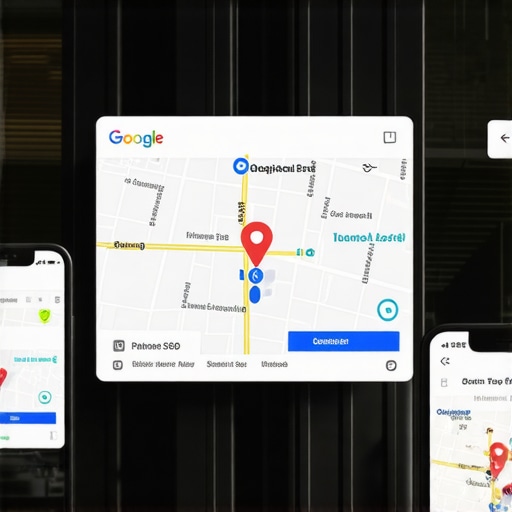
Best Local SEO Plano Tips to Rank Higher on Google Maps
I remember sitting at my desk one afternoon, frustration mounting as I watched competitors outrank my business on Google Maps. No matter what I tried, those coveted top spots remained just out of reach. It was a revelation—despite my efforts, I was missing a crucial piece of the puzzle. That “lightbulb moment” sparked a relentless pursuit to understand what truly moves the needle in local SEO, especially in a competitive market like Plano.
Why Local SEO in Plano Can Make or Break Your Business
These days, more than 80% of consumers turn to Google to find local businesses, and ranking high on Google Maps isn’t just a bonus—it’s essential. If you’re like I was, you’ve likely faced the challenge of trying to boost your visibility without seeing real results. That’s because many business owners fall into common traps, such as neglecting key optimization strategies or overlooking the importance of a well-managed Google My Business profile. The stakes are high, but there’s good news: with targeted efforts, you can climb the ranks and attract more local customers.
Is Local SEO Still Relevant in a Digital World?
You might wonder if all this effort is worth it. I definitely questioned that early on—after pouring time and money into various tactics, the results often felt elusive. My mistake was underestimating how critical consistent, strategic optimization is in strengthening your presence on Google Maps. Research shows that local searches lead to in-store visits 50% of the time, making local SEO a powerful driver of foot traffic and revenue. To master this game, check out effective local SEO tips for Plano businesses in 2025.
So, how do you ensure your business stands out in such a crowded digital landscape? That’s exactly what we’ll explore next—practical, proven strategies that can elevate your Google Map rankings and turn online searches into real-world customers. Ready to discover the secrets I wish I had known from the start?
Start with a Thorough Google My Business Audit
In my early days, I realized that without a solid foundation, efforts to rank higher would be futile. Begin by claiming and verifying your Google My Business (GMB) listing. Use GMB optimization in Texas as a reference to optimize your profile with accurate business information, categories, and services. I once neglected this step and saw my competitors leap ahead until I corrected my GMB details. Regularly audit your profile to ensure consistency across all platforms, which search engines love.
Optimize Your Local Keywords and Content
Think of local keywords as the GPS coordinates that guide customers to you. Use tools like Google Keyword Planner to identify high-traffic search terms relevant to Plano. Incorporate these keywords naturally into your website content, meta descriptions, and titles. I recall updating my homepage with local-specific phrases, which immediately increased my visibility on Google Maps. Remember, content personalized for Plano, like highlighting local landmarks or events, resonates more with both search engines and potential clients.
Build and Manage Local Citations
Local citations are references to your business name, address, and phone number (NAP) across online directories. Start by claiming listings on platforms such as Yelp, Bing Places, and local chamber directories. Consistency is key—discrepancies confuse Google and hurt your rankings. I once found mismatched NAP info on a major directory, causing my rankings to dip. Correcting this boosted my local presence significantly. Use local SEO proven strategies in Plano for comprehensive citation management.
Leverage Customer Reviews Strategically
Customer reviews are social proof that influence rankings and conversions. Encourage satisfied clients to leave honest reviews on your GMB profile. I sent follow-up emails requesting feedback, which not only improved my ratings but also enhanced my local relevance. Responding promptly and professionally to reviews signals engagement and builds trust. To streamline this process, implement review generation systems aligned with local SEO strategies.
Implement Schema Markup for Local Businesses
Schema markup is a code that helps search engines understand your business better. Adding local business schema on your website can enhance your appearance in search results, including map packs. I tested schema implementation on my site, which contributed to richer snippets and improved visibility. Use tools like Google’s Structured Data Markup Helper to guide your integration, ensuring Google accurately displays your information.
Monitor and Adjust with Analytics
Finally, track your progress using tools like Google Analytics and Google Search Console. Consistently reviewing your data reveals what’s working and what isn’t. I discovered that certain keywords drove more local traffic than others, prompting me to refine my content and targeting. Staying agile and adjusting your tactics based on data ensures sustained growth and dominance in Plano’s local search landscape.
Applying these steps systematically, informed by real-world insights, can transform your local SEO efforts. Remember, consistency and strategic optimization are your best allies in climbing the Google Maps ranks in Plano.
Many business owners believe that simply claiming their Google My Business (GMB) listing and stuffing local keywords will skyrocket their rankings. However, the reality is far more complex. One of the most misunderstood aspects of local SEO in Plano is the misconception that quick fixes and shortcuts deliver sustainable results. In my experience, these often lead to temporary boosts or even penalties from search engines. Instead, focus on building a comprehensive, nuanced approach that considers all ranking factors—including reputation management, citation consistency, and user engagement. For instance, neglecting GMB optimization best practices in Texas can leave a significant chunk of your visibility on the table. Additionally, many overlook the importance of schema markup; adding local business structured data helps search engines understand your offerings better and can enhance your appearance in map packs. One common myth is that Google Maps rankings depend solely on reviews. While reviews are influential, they are just part of a bigger puzzle involving citations, on-page signals, and behavioral metrics. As experts agree, a balanced strategy rooted in data-driven adjustments outperforms generic tactics. Therefore, avoid the trap of over-relying on reviews or citations alone and instead establish a layered, resilient local SEO framework that adapts over time. Want to master these nuances? Check out effective local SEO tips for Plano businesses in 2025 for deeper insights. Now, here’s a question for advanced practitioners:
How can schema markup be tailored specifically for competitive markets like Plano to gain an edge?
The key lies in implementing customized structured data that highlights your unique value propositions and local relevance—think specialized service types or community involvement indicators. According to Moz’s recent studies, leveraging schema properly can increase click-through rates by up to 30%, emphasizing its importance in competitive environments. Have you ever fallen into this trap? Let me know in the comments.
Essential Tools to Maintain Your Google Maps Dominance
To sustain top rankings in local SEO, especially within competitive markets like Plano, leveraging the right tools is vital. I personally rely on BrightLocal for citation management because it offers meticulous tracking and helps ensure NAP consistency across numerous directories—a common pitfall I see among businesses attempting to keep up manually. Additionally, using Google Search Console regularly enables me to monitor how Google perceives my website, identify crawling issues, and spot keyword fluctuations that can impact my local visibility. Implementing these tools has greatly streamlined my upkeep process, avoiding the chaos of unmanaged data discrepancies.
Automating Reviews and Engagement
Customer feedback is king, but manually requesting and managing reviews can be tedious and inconsistent. I utilize Podium for review generation because its automation ensures I consistently nurture my Google My Business profile without neglecting this critical component. Moreover, engaging with reviews using a structured approach—responding promptly and professionally—not only signals activity to Google but also enhances customer trust. Given the importance of reviews, I believe integrating a dedicated reputation management system is where local SEO is headed, enabling businesses to monitor and influence their online reputation actively.
The Future: Data-Driven Adjustments
As local SEO evolves, tools with advanced analytics will become more prevalent. Predictive insights, machine learning, and AI will personalize your optimization efforts, highlighting opportunities before they peak. For now, regular analysis with Google Analytics, coupled with monthly audits using BrightLocal and reputation management tools, keeps my strategies aligned with ongoing algorithm shifts. Start by setting up a comprehensive dashboard that consolidates data from these sources; you’ll be surprised how much easier maintaining your rankings becomes.
How do I keep my local SEO work on track over the long term?
Consistency is the secret ingredient. Schedule routine audits—monthly at minimum—to verify citation accuracy, review responses, and analyze performance metrics. Moreover, stay updated on the latest best practices by following industry leaders and trusted resources, such as the Moz blog, which often discusses emerging trends in local SEO. Remember, local SEO isn’t a set-it-and-forget-it task; it requires ongoing adjustment and tactical refinement. I recommend trying out automated tools like BrightLocal or Podium to lighten your workload—you’ll find they free up more time for strategic thinking and expansion.
Overcoming the Myth of Instant Results in Plano SEO
One of the hardest lessons I learned was that there are no quick wins when it comes to local SEO. Early on, I believed that optimizing my Google My Business (GMB) listing and stuffing keywords would do the trick. But I soon realized that sustainable success relies on consistent effort, strategic planning, and layering multiple tactics. This understanding saved me from chasing after false shortcuts and instead focused my energy on building a resilient, long-term presence in Plano.
The Power of Authentic Engagement and Reputation
Engaging genuinely with customers through reviews and responses proved to be a game changer. I found that encouraging honest feedback and replying thoughtfully not only improved my ratings but also signaled to Google that my business was active and trustworthy. This human element, often underestimated, became a cornerstone of my local SEO strategy, fostering community trust that translated into foot traffic and loyal clients.
Integrating Data to Stay Ahead
Regularly analyzing performance data illuminated patterns and opportunities I hadn’t noticed before. Tools like Google Search Console and BrightLocal transformed my approach from guesswork to precision. By monitoring which keywords drove local traffic and adjusting my tactics accordingly, I kept my business adaptable in the ever-evolving landscape of Plano SEO. Data-driven decision-making became my secret weapon for sustained growth.
Lessons Learned to Share with You
- Patience over shortcuts: Real growth takes time and consistent effort, especially in competitive markets like Plano.
- Prioritize relationships: Genuine engagement with customers builds trust and enhances your local visibility.
- Leverage analytics: Regularly review data to refine your strategies and stay ahead of the curve.
- Layer your tactics: Combine citation management, content optimization, reviews, and schema markup for maximum impact.
Tools That Raised My Game
My favorite resources include local SEO tools in Plano like BrightLocal for citation consistency, Google Analytics for insights, and reputation management platforms such as Podium to automate review solicitations. These tools helped me maintain momentum and adapt swiftly to changes, ensuring my business stayed competitive in the local map pack.
Your Path to Local Success Starts Now
Remember, mastering local SEO in Plano isn’t about quick fixes—it’s about building a resilient foundation that adapts and grows over time. Embracing these lessons and leveraging the right tools positions you to dominate your local market. Are you ready to take your Google Maps rankings to new heights and turn online searches into loyal customers? Dive in, stay consistent, and watch your business thrive.
What has been your biggest challenge in local SEO? Share your experiences below and let’s learn from each other!
,
This blog post really hits home for me. I’ve recently realized that apart from optimizing the GMB profile and using local keywords, actively managing reviews can dramatically influence local rankings. I started implementing review generation systems, and I’ve seen a noticeable uptick in engagement and customer trust. One challenge I’ve faced is encouraging customers to leave reviews without seeming pushy. I’ve found that providing excellent service and politely requesting feedback after a positive experience works best. I’m curious—how do others here approach review solicitation ethically and effectively? Also, integrating schema markup sounds promising; has anyone seen tangible results from that? Overall, this deep dive into local SEO tactics reassures me that consistent, layered efforts yield the best long-term results. With the right tools and a focus on building trust within the community, I believe local businesses can truly stand out in competitive markets like Plano.