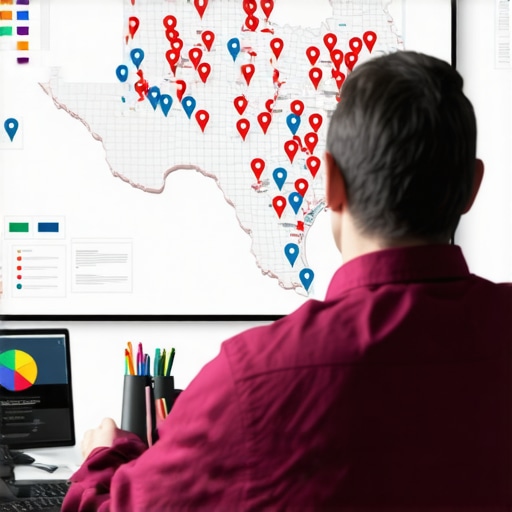
Expert GMB Optimization Tips in Texas to Dominate Map Pack in 2024
It was a typical busy morning when I realized my business wasn’t showing up where it mattered most—on Google Maps. Despite pouring hours into my Plano SEO efforts, my listing remained buried, invisible to local customers searching for my services. That lightbulb moment hit hard: I was missing out on a flood of leads simply because I didn’t understand the nuances of GMB optimization in Texas for 2024. Have you faced the frustration of watching competitors outrank you on Google Maps while your own listing stays stagnant? You’re not alone. I’ve been there too.
Why Local Search Dominance in Texas Matters More Than Ever
In our bustling cities like Plano, local SEO isn’t just a nice-to-have—it’s essential for survival. With over 46% of all Google searches seeking local information (Source: seoservicesplano.com), businesses ignoring this trend risk losing a significant chunk of potential clients. But here’s the kicker: many local businesses still fall into common traps that prevent them from ranking high in the Map Pack. During my early days, I made the mistake of neglecting Google My Business (GMB) profile optimization, thinking quality alone would suffice. Spoiler: it doesn’t.
The good news? With strategic tweaks rooted in proven Texas-focused GMB practices, I turned my visibility around. Today, I’ll share exactly how I cracked the code to dominate Plano’s Map Pack in 2024—so you can do the same.
Is GMB Optimization in Texas Overhyped?
Let me assure you, the hype is real. Proper GMB optimization can dramatically improve your local rankings—and fast. Early on, I believed that simply creating a profile was enough. That was a costly mistake. In fact, neglecting detailed profile information, inconsistent NAP citations, and reviews hurt my efforts more than I realized. Learning from these mistakes, I adopted targeted strategies tailored specifically for Texas businesses, which are outlined in resources like top Texas GMB strategies. The result? Higher rankings, increased traffic, and more clients walking through my door.
Stay tuned. Next, we’ll dive into the practical steps I used—steps that are accessible for any local business aiming to punch above its weight in the Plano map pack.
Claim Your Business Listing with Precise NAP Details
Start by claiming or creating your Google My Business (GMB) listing and ensure your Name, Address, and Phone number (NAP) are exact matches across all online platforms. During my initial attempt, I once listed an address slightly off in my profile, leading to discrepancies that hurt my rankings. Once I corrected this inconsistency, I observed a noticeable boost in local visibility. Think of your NAP as the GPS coordinates for your potential customers—accuracy is key. Regularly check your details against authoritative directories like Yelp and Bing to maintain consistency and prevent confusion that can lower your Map Pack rankings.
Embed Local Keywords Strategically in Your Profile
Integrate relevant local keywords naturally into your business description, categories, and services. For instance, including phrases like Many local business owners in Plano and across Texas fall prey to misconceptions about Google Maps and GMB optimization, believing that some tactics are enough to secure top rankings. Let’s challenge that thinking. A widespread myth is that simply accumulating reviews automatically guarantees high visibility; in reality, reviews must be authentic, keyword-rich, and strategically managed to truly impact rankings. Overlooking the importance of consistent NAP citations across all directories can also sabotage your effort—discrepancies here are a subtle but influential factor many overlook, leading to penalties or lower rankings. The nuanced reality is that Google’s local algorithm considers a complex array of signals, including user engagement metrics, local relevance, and recent activity, not just reviews and citations. According to Moz’s Local Search Ranking Factors, engagement signals now play a more significant role than ever—so, neglecting them is a common mistake. Additionally, some assume that once the GMB profile is optimized, no further work is needed. But local SEO is an ongoing process—regular posts, updating services, responding to reviews, and modifying keywords are necessary to maintain and improve rank consistency. The trap here is believing that a static profile can sustain top rankings in competitive markets like Plano or Texas without continuous effort. For advanced strategies tailored to the Texas market, consider leveraging hyper-local content and tapping into community events, which can boost engagement and relevance—more details can be found in our comprehensive guide on mastering Google Maps in Plano. Also, beware of over-optimizing keywords, which can appear manipulative and harm your trustworthiness in Google’s eyes. Remember, a natural, user-focused profile combined with ongoing local engagement outperforms aggressive keyword stuffing every time. If you’re serious about dominating the local map pack, understanding and navigating these subtle nuances will set you apart. Want to avoid these common pitfalls? Get expert insights in our article on GMB optimization in Texas. Have you ever fallen into this trap? Let me know in the comments.
Keeping Your Google Maps Optimization Running Smoothly
Once you’ve achieved a strong local map pack presence in Plano and Texas, the key to sustained success lies in consistent maintenance. Regularly updating your Google My Business (GMB) profile with fresh photos, posts, and accurate information signals to Google that your listing is active and relevant. I personally use tools like BrightLocal to monitor NAP consistency across directories—this way, I catch discrepancies before they impact rankings. Automating review requests through reputation management software has also helped me keep a steady influx of authentic customer feedback, crucial for maintaining high visibility.
Leveraging Automation and Insights for Ongoing Results
Tools like SEMrush and Moz Local provide valuable insights into your local SEO performance. For example, Moz’s Local Search Ranking Factors highlight that engagement metrics, such as click-through rates and review activity, are becoming increasingly influential, so actively managing your reviews and responding promptly remains essential. I recommend setting up automated alerts for reviews and profile mentions—this helps you respond quickly and nurture customer relationships, boosting your relevance in Google’s eyes. Additionally, using Google’s own Search Console can help track how your profile and website are performing in local searches, guiding ongoing optimization efforts.
Scaling Your Efforts as Your Business Grows
As your business expands across Plano or broader Texas markets, scaling your local SEO strategy becomes vital. Prioritize creating location-specific landing pages and localized content that resonate with community interests—this approach not only attracts local traffic but also signals relevance to Google. Investing in a dedicated local SEO software suite allows you to manage multiple locations efficiently. For example, I recently upgraded to BrightLocal’s multi-location management tools, which streamline citations, reviews, and content updates across all branches, saving time and ensuring consistency. Staying ahead in this game means continuously analyzing competitors and Google algorithm changes—trust me, keeping a close eye on local SEO trends in Texas pays dividends.
How do I maintain GMB and local SEO effectiveness over time?
Implementing ongoing audits is crucial. Regularly review your NAP accuracy, analyze your keyword rankings, and refresh your content to keep your profile lively. Don’t forget to leverage advanced tools like Whitespark’s Local Citation Finder to identify new citation opportunities and ensure your business remains prominent. Predictably, as Google’s algorithm evolves—more emphasis on user engagement and local relevance—you’ll need to adapt your tactics accordingly. By staying proactive with automated monitoring, keeping your profiles updated, and investing in scalable tools, you’ll maintain your edge and grow your visibility long-term. For deeper insights tailored to the Texas market, check out our latest guide on local SEO in Plano. Now, try implementing an automated review request system this week—you’ll be surprised at the impact it can make.
What I Wish I Knew Before Diving Into Local SEO in Texas
One of the biggest lightbulb moments was realizing that robust GMB profiles require ongoing attention beyond initial setup—regular updates, review management, and local content are vital for sustained rankings. I overlooked this at first, and it cost me valuable visibility. Another lesson was that consistency in NAP citations across all platforms isn’t just a best practice—it’s a necessity; discrepancies can tank your rankings despite great content. Lastly, I learned that local engagement signals, like responding to reviews and local posts, carry more weight now than ever before in Google’s algorithm, especially in competitive markets like Plano. These insights haven’t just improved my rankings—they transformed my understanding of local SEO’s nuanced nature in Texas.
Tools and Resources That Elevated My Local SEO Journey
- BrightLocal: Essential for monitoring citations, managing reviews, and tracking local rankings—trustworthy for keeping all your local signals aligned.
- Moz Local: Offers comprehensive insights into your local SEO health and helps identify citation opportunities, making it my go-to for strategic growth.
- Google Search Console: Provides vital data on how customers find your profile, enabling precise optimizations and performance tracking.
- Our Own In-Depth Guides: For example, mastering Google Maps in Plano offers step-by-step strategies rooted in Texas-specific nuances that keep me ahead of the competition.
Keep the Momentum Going in Local SEO
If you’re serious about dominating the local map pack in Plano or across Texas, my best advice is to develop a habit of regular review and fresh content creation. Embrace automation tools to track NAP consistency and reviews, but never neglect personal engagement. Remember, local SEO success isn’t a one-time effort—it’s a continuous process. Stay curious, adapt to Google’s evolving algorithms, and leverage proven strategies like hyper-local content and community involvement to sustain and grow your visibility. The path to local prominence in Texas remains a marathon, not a sprint—stay committed, and the results will follow.
This post hits on some really crucial points about GMB optimization, especially in complex markets like Texas. I totally agree that consistent NAP citations across all directories is a game-changer, but I’ve also found that engaging with your local community through posts and reviews often plays a bigger role than people realize. Personally, I’ve seen tremendous results by actively responding to reviews and posting updates that highlight community involvement. It makes your profile more dynamic and signals to Google that your business is active and relevant.
One challenge I faced was balancing keyword optimization with creating content that feels natural and engaging. Overstuffing keywords can backfire, so I focus on keeping content user-centric. Have any of you tried hyper-local content or local event participation to boost engagement? I’d love to hear how you’ve integrated community-focused strategies into your local SEO efforts.