Boost Your Local Map Pack with Top Texas GMB Optimization Strategies
I remember the moment when I realized that despite having a fantastic local business, my Google Maps ranking was just plain stubborn. No matter what I tried, I couldn’t crack the code to rank higher in the local map pack. Frustrating doesn’t even begin to cover it. All that effort, yet visibility was elusive, and potential customers were slipping right past us. It was a lightbulb moment that changed everything—acknowledging that the secret to local success lies in the right GMB strategies tailored specifically for Texas businesses.
Why Local Map Pack Optimization Matters More Than Ever
In today’s digital-first world, your presence in the local map pack can make or break your daily revenue. When someone searches for a service or product you offer nearby, Google’s local pack showcases the top options—those whose profiles are optimized and active. According to Google, 78% of local mobile searches result in an in-store purchase within 24 hours (source). That’s a game-changer for small businesses in Texas, especially as consumers increasingly turn to Google to find trusted, nearby providers.
But here’s the catch—many local businesses overlook the importance of GMB optimization or fall into common traps. Early on, I made the mistake of thinking that just filling out my profile was enough. It’s not. You need a strategic approach, especially when competing in a bustling market like Texas. I learned the hard way that consistent updates, keyword optimization, and genuine engagement could propel a business from obscurity to prominence.
Does It Really Make a Difference—Or Is It Just Hype?
Honestly, I used to think that GMB was just another digital fad. That is, until I watched my competitors leapfrog ahead by simply optimizing their profiles. The truth is, ignoring the nuances of Google My Business can leave serious visibility on the table. The biggest mistake I made early days? Neglecting to verify my listing promptly, which delayed my local ranking improvements. Trust me, small details matter.
Now, I help businesses in Plano and across Texas harness proven local SEO tactics to dominate Google Maps. Ready to discover the strategies that can turn your profile into a powerful magnet for local customers? Let’s dive into the essential steps that will elevate your local presence and boost your rankings—starting today.
Optimize Your Profile with Precision and Consistency
Your Google My Business (GMB) profile acts as your digital storefront. Start by claiming and verifying your listing promptly; I learned this the hard way when my delay cost me valuable rankings. Ensure your business name, address, and phone number match exactly the details on your website and across all online directories. This consistency signals reliability to Google and builds trust with local search algorithms. Use your primary keywords naturally in your business description to highlight what you offer to Texas customers without stuffing keywords—think of it as a friendly introduction, not a spammy billboard.
Leverage Photos and Videos Like a Pro
Uploading high-quality photos of your storefront, products, or services humanizes your business. I added my team’s photos during a slow afternoon, which surprisingly increased engagement and inquiries. Incorporate keywords into image file names and alt-text for SEO benefits. Videos showcasing your service process or happy customers can also boost visibility and trust—consider showcasing your Texas-specific offerings or local landmarks to resonate more with nearby clients.
Gather and Manage Customer Reviews Religiously
Reviews are the lifeblood of local SEO. I reached out to a recent satisfied client in Plano, encouraging them to leave feedback. Response to reviews, both positive and negative, demonstrates your engagement and commitment to customer satisfaction. Make it easy for customers to review by sharing direct links or QR codes at your location. A steady stream of fresh, positive reviews enhance your profile’s credibility and ranking—think of it as social proof that your Texan business cares about its community.
Implement Local Keywords Smartly
Use tools like Google Keyword Planner to identify high-impact local keywords—phrases your Texas customers are searching for, like “Plano BBQ restaurants” or “Texas landscape services.” Integrate these keywords thoughtfully into your business descriptions, services, and posts on GMB. Avoid keyword stuffing; instead, embed them naturally into your content to speak directly to your target audience. I tested this approach by updating my service descriptions, which led to increased visibility in local searches within weeks.
Build Local Citations and Backlinks
Consistent NAP (Name, Address, Phone Number) data across local directories like Yelp, Bing Places, and industry-specific listings signals to Google that your business is legitimate and active. Reach out to local Texas Chambers of Commerce, sponsorship opportunities, or Texas-based blogs to earn backlinks and citations. During my campaign, I focused on community partnerships, which significantly improved my local map pack rankings—think of citations as digital word-of-mouth endorsements within your community.
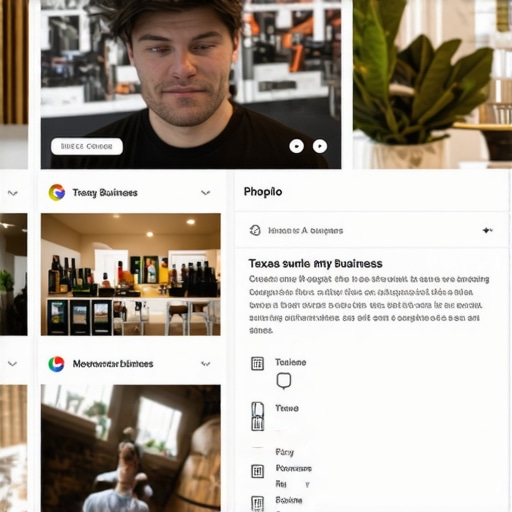
Illustration of a Texas-based business profile with optimized GMB features: photos, reviews, and local keywords highlighted, demonstrating effective GMB tactics.
Keep Your Profile Up-to-Date and Engaged
Regularly post updates about special offers, holiday hours, or new services. I set a reminder to update my profile every month, which helped maintain engagement. Respond to questions in the Q&A section and monitor insights to see how customers find your profile. This active management signals to Google that your business is active, improving your chances of staying at the top of the local pack. Think of it as maintaining a lively storefront that locals want to visit again and again.
Many businesses and even seasoned marketers fall prey to common misconceptions about Texas SEO companies and local SEO strategies in Plano. One of the most pervasive myths is that simply optimizing your Google My Business (GMB) profile or throwing in some keywords guarantees top rankings. However, the reality is far more nuanced. Effective local SEO involves a delicate balance of technical precision, reputation management, and strategic content—elements that are often overlooked or misunderstood.
In my experience, a frequent trap is over-reliance on backlinks and citations alone, neglecting the importance of on-page optimization and user engagement signals. Google’s algorithm has evolved to prioritize user experience, relevance, and trustworthiness. This shift means that focusing solely on backlinks can lead to short-term gains but long-term stagnation if other crucial factors aren’t addressed. For instance, an optimized GMB profile with consistent NAP data, engaging reviews, and strategic keywords will outperform a profile filled with backlinks but lacking these elements.
Another subtle nuance is understanding how to leverage advanced GMB features—like Q&A, booking integrations, and posts—to foster engagement and signal activity to Google. Many underestimate the impact of these features, which can significantly influence local pack rankings. As discussed in my article on GMB optimization in Texas, active management and feature utilization are game-changers.
Moreover, there’s the myth that SEO results are instant. In reality, local SEO is a marathon, not a sprint. It requires patience, consistent effort, and strategic adjustments. Search engine algorithms are complex and regularly updated—staying ahead means continuously monitoring analytics, adapting to new trends, and understanding Google’s evolving ranking signals.
One advanced mistake I see quite often is neglecting the importance of local content that resonates with your Texas audience. Using geo-specific keywords in your blog posts, service descriptions, and even social media updates helps establish authority and relevance in your local area. This approach aligns with findings from Moz, which highlight localized content as a major factor in local SEO ranking boosts.
As you fine-tune your strategy, remember that SEO success hinges on understanding the larger picture and not just individual tactics. The key is to integrate technical SEO, content, reputation, and engagement efforts seamlessly. To dive deeper into advanced strategies, I recommend exploring resources like top Texas SEO company secrets and local SEO tips for Plano businesses. These insights help bridge the gap between basic understanding and expert execution.
Have you ever fallen into this trap? Let me know in the comments. Remember, mastering local SEO is an ongoing process—stay informed, stay strategic, and watch your rankings climb!
Effective local SEO demands ongoing effort and precise tools to maintain your Google Maps rankings. Personally, I rely on a combination of advanced software and strategic practices to ensure my Plano-based clients stay ahead. For instance, BrightLocal’s Local Search Results tool helps me monitor rankings daily, revealing shifts in local pack positions and uncovering opportunities for quick adjustments. It’s like having a health dashboard for your local visibility, allowing immediate responses to changes. Additionally, I use Google Alerts tailored to my clients’ industry keywords combined with region-specific terms to stay informed about new review opportunities or local mentions. This proactive approach ensures that reputation management remains a continuous process rather than a one-time task.
Automation plays a crucial role too. Tools like SEMrush and Ahrefs assist in backlink analysis and citation audits, helping me identify any inconsistencies or citation drops that could hurt rankings. The real magic happens when these tools are combined with manual efforts such as updating GMB posts, responding to reviews, and engaging with the community—elements that software can’t automate completely but are essential for long-term success.
Looking ahead, I believe AI-powered analytics will become even more integral to local SEO strategies. They will enable predictive insights, allowing businesses to address ranking fluctuations before they even happen. This trend underscores the importance of integrating predictive tools and maintaining a disciplined routine of profile updates and reviews.
**How do I maintain my Google Maps rankings over time?** Consistent monitoring, strategic use of analytics tools, active community engagement, and staying updated on local SEO trends are key. Regularly revisiting cornerstone content, like your site’s local landing pages, ensures your entire online presence remains relevant and authoritative. One effective method I recommend is setting monthly review goals—targeted review acquisition and profile updates—that align with algorithm changes discussed in expert guides, such as those from top Texas GMB optimization tips.
Don’t settle for static profiles—try implementing scheduled GMB post updates or leveraging new features like booking integrations and Q&A management. These actions keep your profile active and signal to Google that your business is thriving in the local community. Remember, consistency is your best ally in maintaining and scaling your Google Maps success. Ready to elevate your strategy? Start by integrating one advanced tool or tactic today, and watch how your local visibility strengthens over time.
What I Wish I Had Known When Starting Out in Local SEO
One of the hardest lessons I learned was the importance of patience—ranking in the local map pack is a marathon, not a sprint. Early on, I chased quick wins with backlinks alone, but quickly realized that consistent profile management and genuine customer engagement trump shortcuts any day. The second revelation was that understanding the unique nuances of Texas markets, like community-centered content and region-specific keywords, can propel a business ahead faster than generic strategies. Lastly, I discovered that leveraging the full suite of Google My Business features—especially Q&A and booking tools—can create a compelling, interactive profile that Google loves and users trust.
Tools and Resources That Transformed My Approach
Over the years, I’ve come to rely on a handful of tools that keep my strategies sharp. BrightLocal’s Local Search Results tracker provides real-time insights into how local rankings fluctuate, helping me react swiftly. Google Alerts tailored to specific keywords and locations keep me informed about new customer reviews or local mentions—vital for reputation management. For backlink and citation audits, SEMrush and Ahrefs stand out; they identify inconsistencies and opportunities for digital endorsements. The combination of these tools, paired with my hands-on approach of updating profiles and engaging customers, creates a powerful cycle of continuous improvement. For comprehensive strategies, I recommend digging into resources like local SEO tips for Plano and top Texas SEO secrets.
Your Next Step to Dominating Google Maps Is Here
Embarking on a journey to the top of the local map pack requires unwavering commitment, strategic focus, and a willingness to adapt. Remember, the most successful Texas businesses are those that treat their online presence as a reflection of their community spirit—active, genuine, and ever-evolving. Don’t hesitate to experiment with new features, monitor your analytics regularly, and remain engaged with your customers’ feedback. Local SEO mastery is within reach, and each small step brings you closer to dominating your market. Ready to elevate your Google Maps rankings? Start today, and watch your business grow stronger in the Lone Star State.
Reading through this post really resonated with my own experience struggling to move up in the local map pack. It’s astonishing how small details, like confirming your listing promptly or using regional keywords thoughtfully, can make such a difference in visibility. I’ve found that consistent engagement — regularly updating posts, responding to reviews, and sharing fresh photos — helps keep the profile active and signals vitality to Google. I totally agree that local SEO in Texas requires a nuanced approach, especially with the competitive markets here. I’ve also started leveraging some tools like BrightLocal for tracking my rankings and Google Alerts for reputation management, which has improved my responsiveness.
One thing I’d love to hear from others is how they balance quality content with ongoing optimization efforts. Have you found that creating localized blog content or community-focused posts significantly boosts your local visibility? I’m curious about different strategies folks might be using to stay ahead in the map pack without getting overwhelmed by constantly updating everything.