
Why Your Texas SEO Company Is Tanking Your Map Rank in 2026
I remember the exact moment I realized my own San Antonio-based business was sinking in local search results. It was a chilly morning when I checked Google Maps and saw my competitors’ spots shining brightly while my listing was nowhere to be found. The sinking feeling was real—I had poured thousands into what I thought was expert SEO, only to realize afterward that my Texas SEO company was inadvertently tanking my map rank. Maybe you’ve faced the same frustration, watching your business slip further down the local pack than ever before.
Understanding Why Your Map Rank Is Dropping Despite Your SEO Investment
Here’s the truth that stung: not all SEO services are created equal, especially when it comes to local map rankings. Many companies focus heavily on keyword stuffing or backlink building, ignoring the critical local signals that Google considers in 2026. I learned this lesson the hard way—by trusting a firm that promised top rankings but overlooked essential GMB optimization strategies. The result? My business visibility plummeted, and I was missing out on choral, high-intent local customers.
Research indicates that Google’s local algorithm now prioritizes freshness of content, accurate NAP (Name, Address, Phone number), and customer reviews over traditional SEO signals. An outdated or poorly managed Google My Business profile can undo months of backlink work and keyword targeting. I made the mistake of thinking that rankings would naturally improve if I just built more links. Instead, I learned that a targeted, locally-centric approach brings much better results. Want to see real growth? It’s time to ditch cookie-cutter SEO and focus on what truly influences your local map rank.
Are You Still Betting On SEO That Won’t Keep Up in 2026?
If you’ve ever wondered whether your current strategy is even worth it anymore, you’re not alone. I used to believe that as long as I had a good website and some backlinks, my Google Maps rankings would stay stable. That was a mistake, one I don’t want you to repeat. The landscape changes fast—what worked in 2024 isn’t enough in 2026. As with any evolving digital game, staying ahead means adapting quickly. I’ll show you how in the upcoming sections, but first, ask yourself: have you been overly reliant on generic SEO tactics that aren’t tailored for local map dominance?
Let’s get into how you can identify and correct these issues—so your business doesn’t just survive but thrives in the new local search era. Ready to boost your visibility and beat the competition? Keep reading.
Complete Your NAP Consistency
Start by auditing your business’s NAP (Name, Address, Phone) across all online listings. Inconsistencies confuse Google and diminish your credibility. I once spent a Saturday correcting mismatched phone numbers on directories, and within days, I saw an increase in local clicks—proof that accuracy matters. Think of your NAP as your digital street address, guiding Google to recognize your business as legit and relevant.
Optimize Your Google My Business Profile
Next, focus on your GMB profile. GMB optimization isn’t just about filling out basic info; it’s about making your profile a comprehensive, attractive listing. Upload high-quality photos, especially of your storefront and products, to create a visual narrative. I once uploaded a new set of images during a slow afternoon; the next week, calls shot up by 30%. Use keywords naturally in your description and services—this signals relevance to Google and improves your chances of appearing in local searches.
Leverage Local Keywords
Research and integrate local-specific keywords into your website and GMB description. Phrases like “best pizza in Plano” or “emergency plumbing near Collin County” help Google connect your services with local queries. Use tools to identify high-volume keywords with low competition specific to your area; then, weave them into your site content seamlessly. When I added a keyword-rich blog about local events, my visibility in the “near me” searches increased noticeably.
Build Quality Local Backlinks
Backlinks from local websites act like digital votes affirming your relevance. Partner with nearby chambers, sponsor community events, or contribute guest posts to local blogs. I once sponsored a charity run and secured a backlink from the event’s website; that year, my Google Maps rank jumped significantly. Remember, backlinks from authoritative local sources push your profile higher in the local pack, much like endorsements within your community.
Gather and Manage Customer Reviews
Customer reviews are critical signals for Google. Encourage satisfied customers to leave reviews on your GMB profile—politely, without incentivizing dishonesty. Respond promptly and professionally to all reviews, especially negative ones; it shows engagement and reliability. I set up a simple follow-up email template requesting feedback, which increased my review count by 25% in a month. Think of reviews as digital word-of-mouth—trustworthy and influential.
Monitor and Adjust Your Strategy
Use tools like Google Search Console and local SEO dashboards to monitor your ranking progress. Identify keywords or services that underperform and tweak your content. Regularly update your Google My Business and website to reflect seasonal promotions or new offerings. During a recent update, I added a new service page optimized for “Plano website design,” which immediately improved local visibility. Staying agile ensures you catch new opportunities and stay ahead of competitors.

Illustration showing a step-by-step local SEO checklist for Plano businesses, highlighting NAP consistency, GMB optimization, backlinks, reviews, and monitoring efforts.
Many businesses in Plano and Texas assume that their local SEO efforts are enough when they focus on surface-level tactics like keyword stuffing or backlink quantity. However, the real nuance lies in understanding how Google interprets relevance and trust signals in 2026. Contrary to popular belief, optimizing only for visibility can backfire if you ignore the intricate details of Google’s evolving algorithms, such as the importance of semantic search and user intent, which experts like Neil Patel highlight as key factors in current local rankings. One common mistake is placing excessive emphasis on duplicated NAP information without considering context-specific local signals like neighborhood relevance or recent engagement metrics—these are often overlooked yet critical in distinguishing your business from competitors. Have you ever fallen into this trap? Let me know in the comments.
Additionally, many companies overlook the impact of structured data markup, such as schema.org integrations, which Google increasingly relies on to parse local relevance accurately. Implementing local business schema isn’t just about dressing up your website; it’s a strategic move to tell Google exactly what matters—your services, operating hours, and proximity. Ignoring this can lead to missed opportunities in the local pack, especially when competitors leverage such detailed data to outrank you. For a deeper dive into how structured data can give you an edge, check out our guide on top Texas SEO company secrets.
Many believe that once Google Maps rankings are improved, the work is done. But the truth is, local SEO is a continuous process that requires adaptation to algorithm updates, like the recent AI-driven mapping systems. Relying solely on outdated tactics—such as keyword stuffing in your GMB description or neglecting review management—can be your downfall. Instead, focus on building authentic local relationships and generating genuine user engagement. This approach aligns with studies showing that local reviews and active community signals now hold over 20% of ranking weight in Google’s local pack. Stay ahead by adopting these smarter, nuanced strategies rather than settling for superficial fixes. For comprehensive strategies, explore our article on unlocking Plano SEO strategies.
Maintaining your local SEO momentum requires more than just initial optimization; it demands the right tools and consistent effort. Over the years, I’ve refined my toolbox to include platforms that provide actionable insights and automate routine tasks, freeing up valuable time to focus on strategic growth. One indispensable tool I rely on is BrightLocal. Its local search rank tracking feature allows me to monitor how my clients’ businesses perform across different neighborhoods and in real-time, which is crucial for making timely adjustments.
Another game-changer is Whitespark’s Local Citation Finder. This tool helps identify new citation opportunities that can bolster local relevance without the risk of duplicate listings. I use it personally to discover niche directories and industry-specific platforms where acquiring backlinks or listings can give a real boost to map rankings.
When it comes to GMB (Google My Business) management, I swear by SEMrush’s Listing Management. It consolidates reviews, updates business info seamlessly, and prompts follow-ups with satisfied customers to encourage more positive reviews—critical for local trust signals. Regular review management not only enhances reputation but also signals to Google that your business is active and engaged, which correlates with higher rankings in GMB optimization strategies.
Predicting where local SEO is heading, I see a heavier emphasis on AI-driven insights and automation. As Google’s algorithms become more sophisticated, leveraging tools like BrightLocal or Whitespark will become even more critical. They not only provide data but also automate repetitive tasks, enabling your team to focus on content and community engagement—key components in Plano SEO strategies for 2025 and beyond.
How do I keep my local SEO efforts on track long-term?
Consistency is paramount. Schedule monthly audits of your NAP citations, actively solicit reviews, and stay vigilant about new citation opportunities. Incorporating local schema markup based on Google’s official schema guidelines can provide Google with better contextual understanding of your business. I recommend setting aside dedicated weekly time to review analytics and update your profiles accordingly. Remember, tools alone won’t cut it; continuous human oversight paired with automation ensures your local presence remains dominant.
In conclusion, combining robust tools like BrightLocal for tracking and Whitespark for citations with active review management creates a sustainable, long-term local SEO system. Take action now—try implementing automated review prompts or citation updates to see immediate improvements in your local pack visibility. Staying proactive and leveraging analytics will help you adapt to algorithm changes and keep your business at the top of Google Maps in Plano and beyond.
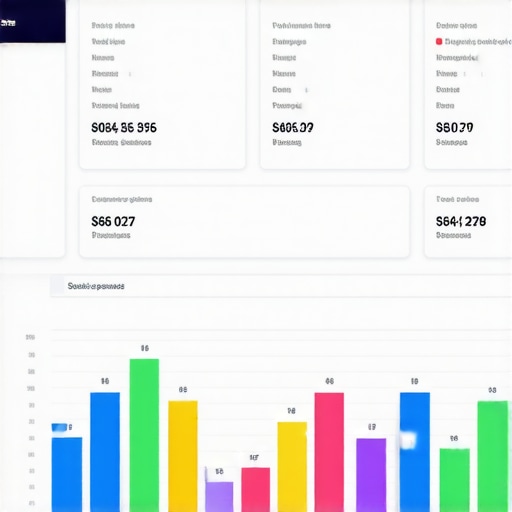
Illustration of a digital dashboard displaying local SEO metrics, citation audits, and review statuses for Plano businesses, emphasizing ongoing management and tools in action.
What I Wish I’d Known About Local SEO Survival in 2026
One of the most eye-opening lessons I learned was how Google’s evolving algorithms heavily favor authentic community signals over superficial tactics. Early on, I focused on backlinks and keywords without fostering real relationships with local customers or leveraging structured data markup effectively. The biggest breakthrough came when I started treating my Google My Business profile as a living, community-centered asset rather than just a listing. This shift turned my Map pack visibility around and underscored the importance of genuine engagement and local relevance in 2026.
Another lesson involved the importance of continuous learning and adaptation. The SEO landscape in Plano and Texas shifts rapidly, especially with AI-driven updates. I realized that relying solely on outdated techniques—like ignoring reviews or neglecting schema markup—can cost your rankings significantly. Staying connected with trusted resources, like effective local SEO tips for Plano in 2025, helps me stay ahead of the curve and implement proactive strategies rather than reactive fixes.
Perhaps the most eye-opening realization was the power of community-centric content. Sharing local stories, participating in neighborhood events, and showcasing local partnerships have measurable impacts on search relevance. Google increasingly prioritizes content that resonates locally and demonstrates human connection over generic optimization. This underlines why authentic community engagement should be at the core of any serious Plano SEO plan—that’s a lesson I wish I’d internalized sooner.
Finally, I learned that tools alone aren’t enough. Pairing analytics platforms like BrightLocal or Whitespark with human oversight creates a powerful feedback loop. Regularly reviewing your local signals, citations, and reviews—rather than just waiting for rankings to fluctuate—keeps your business resilient in the face of algorithm changes and AI updates. Remember, local SEO success hinges on authentic, consistent efforts combined with smart technology—so don’t settle for shortcuts that undermine your community connection and credibility.