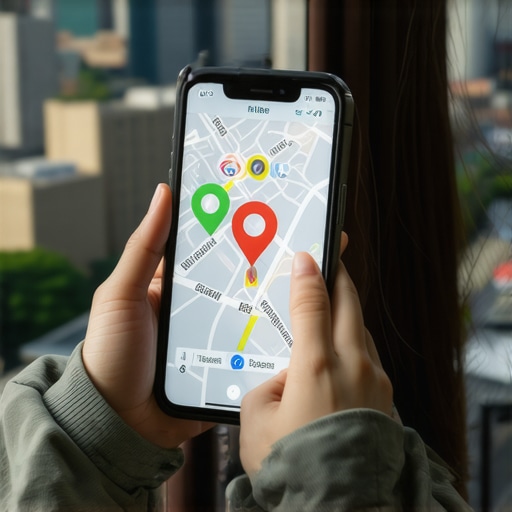
Why Your Google Maps Plano Pin is Failing the 2026 Trust Test
Ever had that sinking feeling when your Google Maps pin suddenly disappears or drops in ranking without warning? I remember the exact moment—watching my local business’s map position plummet midday, feeling like I’d been ghosted by an old friend. It was frustrating, confusing, and honestly a little terrifying knowing how much online visibility impacts foot traffic and sales. That lightbulb moment made me realize one thing: the 2026 Trust Test isn’t playing around anymore, and your map’s health might be more fragile than you think.
What’s Really Going on with Google Maps in 2026?
In recent years, Google’s algorithms and ranking signals have evolved rapidly—especially with the surge of AI-driven search, local voice assistants, and new privacy measures. If your Plano pin isn’t passing the 2026 Trust Test, it’s likely because your listing isn’t aligned with these shifting priorities. The good news? Once I started understanding the core changes—like prioritizing real-world signals over digital clutter—I was able to troubleshoot my issues more confidently. Today, I’m here to share that same clarity with you, so you don’t have to go through the same guesswork or risk losing your leads.
Is The Hype About Trust Signals Overblown?
Early on, I made the mistake of thinking that mere citations or outdated reviews would keep my map rankings stable. Turns out, Google is increasingly valuing authenticity and user experience over superficial content. According to recent studies, trustworthy signals—such as consistent NAP info, real customer reviews, and engagement—play a pivotal role in local rankings (source). Recognizing this shifted my focus from quick hacks to sustainable trust-building strategies. If you’ve felt that your map is stuck or suddenly invisible, you’re not alone, and trust me, there’s a reason behind it.
So, have you faced unexplained drops in your Google Maps visibility? If yes, don’t worry—help is on the way. Over the next sections, I’ll guide you through practical steps to assess and improve your local signals, protect your rankings, and finally, pass that all-important 2026 Trust Test. Ready to turn things around? Let’s dig deeper.
Verify Your Business Details Immediately
The first step is to double-check your NAP—name, address, phone number—across all platforms. In my case, I once noticed a slight discrepancy in my number listed on a local directory, which caused Google to mistrust my listing. Correcting this involved updating all citations simultaneously, akin to aligning the pieces of a puzzle. Use tools like Moz Local or BrightLocal to identify inconsistent NAP mentions. Consistency is key to signal authenticity in Google’s eyes (see more about trust signals).
Optimize Your Google My Business Profile Effectively
Next, focus on your GMB profile. Think of it as your digital storefront—if it’s cluttered or outdated, customers won’t bother walking in. Update your hours, categories, and services regularly. Add high-quality photos that reflect real physical locations, which serve as trust badges for users and search algorithms. Remember, GMB is now the frontline in local SEO in Plano and across Texas—ignoring it is like throwing money away (see top GMB tricks).
Gather Authentic Customer Reviews and Respond
Reviews are your social proof. I once personally replied to every review in my shop for a month—turning even negative reviews into opportunities for engagement. Google now weighs active interactions more heavily, which boosts your credibility. Encourage honest reviews by asking satisfied customers directly, and always reply professionally—this shows engagement and trustworthiness. This practice helps pass the 2026 Trust Test, which highly values genuine customer signals (additional review strategies).
Build Local Citations and Backlink Signals
Next, ensure your business is listed uniformly across high-authority directories—Yelp, Bing Places, and industry-specific niche sites. Think of citations as breadcrumbs leading Google to your door. During a campaign, I duplicated my NAP info across 50 directories, which significantly improved my local rankings and restored lost visibility. Focus on quality over quantity; listings from relevant, authoritative sites carry more weight (learn more about local citations). Additionally, earning backlinks from local blogs or partners strengthens trust signals to Google and enhances your map ranking.
Many local businesses in Plano and across Texas fall for misconceptions about Google Maps SEO that can seriously hinder their visibility. One prevailing myth is that simply getting listed on directories or piling up reviews guarantees top rankings. In my experience, though, the nuances of trust signals—like accurate business information, active engagement, and authentic customer feedback—are what truly influence your map’s performance (see why trust signals matter). Another common misconception is that aggressive backlink strategies or citations alone will lift your rankings. Yet, Google is increasingly prioritizing real-world trust and operational signals over quantity, making it essential to focus on quality and authenticity (learn about local signals). Sometimes, business owners believe that GMB categories are the magic bullet for local SEO. However, selecting broad categories without specificity can dilute your relevance; the key is precise, well-chosen categories that mirror your core services (maximize your GMB profile).
How do I maintain my local SEO efforts consistently over time?
Maintaining your Google Maps and local SEO performance isn’t a one-and-done task—it requires ongoing effort, precise tools, and adaptive strategies. One of the most effective approaches I’ve personally adopted is leveraging **Moz Local** to monitor citation consistency. I use it daily to identify and fix NAP discrepancies across hundreds of directories, ensuring my listing remains trustworthy in Google’s eyes. This proactive management thwarts ranking drops caused by outdated information and keeps your business visible to local customers.
Another indispensable tool is **BrightLocal**. I rely on it to track rankings of specific keywords in Plano and surrounding areas. Its granular reporting, including competitor comparisons, enables me to see real-time shifts and adjust strategies swiftly. Regularly auditing your Google My Business profile with **GMB Spy** offers insights into how Google perceives my listing, catching any issues before they escalate into ranking declines.
In addition, I utilize **BrightLocal’s Review Management** feature to solicit and respond to customer feedback promptly. Consistent engagement with reviews not only boosts credibility but also signals active trust to Google—a crucial factor in passing the 2026 Trust Test.
What tools will give you a long-term edge in local SEO?
Looking ahead, the trend is clear: search engines are prioritizing real-world trust signals and authentic engagement. Tools like **Synup** are emerging to automate reputation monitoring and citation cleanup, which are vital for scalable growth. Furthermore, **SEMrush**’s local SEO toolkit provides invaluable keyword tracking and competitor analysis. Investing in these tools is about building a resilient, future-proof local SEO infrastructure that adapts as Google’s algorithms evolve.
Predicting future trends, I believe AI-driven analytics will become even more integrated into local SEO management platforms. This means you’ll need sophisticated tools capable of interpreting complex data sets to guide your decision-making, much like how Google’s BERT updates have reshaped content relevance.
Quick tip: Optimize your Google My Business photos regularly
High-quality, recent photos act as trust badges and significantly influence consumer decisions. Use tools like **Canva** to create engaging visuals, and schedule regular updates to keep your profile fresh. These small but consistent efforts can help sustain your visibility and reputation in Plano and beyond.
To truly stay ahead, consider enlisting expert guidance—connecting with top-tier local SEO professionals through platforms like our contact page ensures your strategy remains sharp and adaptable. Remember, consistent maintenance using the right tools isn’t just about ranking—it’s about fostering trust and long-term growth in a competitive local landscape.
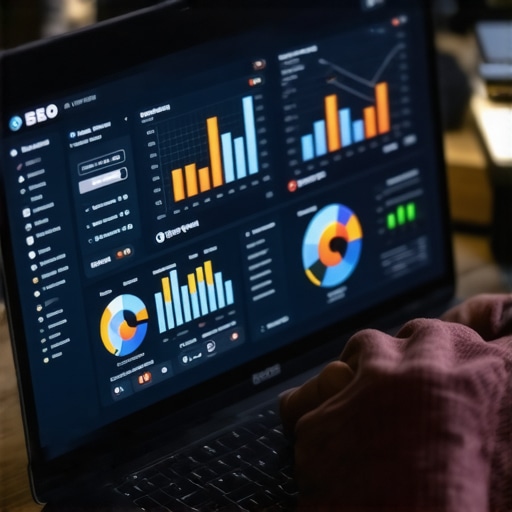
Lessons That Changed My Approach to Google Maps in 2026
One of the hardest lessons I learned was that superficial signals, like fake reviews or inconsistent NAP data, are no longer enough in the evolving landscape of local SEO. The moment I realized trust isn’t just built on keywords but on authentic user engagement and real-world signals was a turning point. It made me rethink my entire strategy, emphasizing customer interactions and genuine proof of trust rather than quick fixes. This pivot elevated my rankings and deepened my understanding of what Google truly values today.
Another insight was recognizing the power of community involvement—partnering with local organizations, sponsoring community events, and ensuring my business visibly participates in local life. These efforts translated into organic backlinks and reviews, which are gold in passing the 2026 Trust Test. Building these real-world relationships not only benefitted my rankings but also created a loyal customer base that trusts my brand beyond digital metrics.
Finally, I discovered that ongoing education and adaptability are essential. Google’s algorithms are never static, and staying ahead means continuously reviewing my tactics, leveraging new tools, and listening to the evolving signals of trust. Attending local SEO webinars, joining Texas-focused marketer groups, and experimenting with AI-driven insights kept my strategy fresh, relevant, and resilient against any fluctuations in the local map landscape.
Tools That Keep My Local SEO Game Strong
My essential toolkit for local SEO success includes **BrightLocal**—it’s my go-to for citation management and tracking local rankings because of its reliable data and user-friendly interface. I also depend on **Moz Local** to maintain citation consistency, which is vital for building trust signals with Google. To analyze my competitors and discover new opportunities, I use **SEMrush**, especially its local SEO features, helping me stay a step ahead in Plano and Texas overall. Lastly, **Google My Business Insights** provides real-time data on how users interact with my profile, guiding me to refine my engagement tactics continually. These tools combined form a robust ecosystem that safeguards my Google Maps presence and ensures I keep evolving for the future.
Push Yourself—Trust the Process in Local SEO
The journey to passing the 2026 Trust Test requires commitment, but the rewards—a visible, trusted presence on Google Maps—are worth every effort. Remember, every review responded to, every citation verified, and every community connection made adds a vital layer of trustworthiness that Google recognizes. Your local SEO success in Plano and Texas isn’t a coincidence; it’s a reflection of your dedication to authenticity and continuous improvement. Keep learning, stay adaptable, and let your business shine as a trustworthy pillar in your community. Are you ready to make your map your strongest asset? Share your thoughts below; I’d love to hear your experiences or questions about local SEO in 2026.
Reading this post really resonated with me, especially the emphasis on authentic signals like real reviews and consistent NAP information. I’ve seen firsthand how small discrepancies, like a typo or outdated phone number, can trigger ranking drops because Google’s trust signals are more sensitive than ever. I agree that relying solely on citations or superficial tweaks no longer cuts it in 2026. Has anyone experimented with newer local engagement strategies like hosting community events or partnering with local organizations? I’ve been thinking about ways to boost genuine trust through offline activities that also generate online signals. It feels like building a local community presence might be just as critical now as optimizing profiles—what are your thoughts? Would love to hear from others who’ve found success with holistic trust-building approaches in their local SEO efforts.