How to Fix a GMB Optimization Texas Listing with Zero 2026 Calls
I remember the exact moment I realized my Google My Business (GMB) listing in Texas was a ghost town. Weeks went by, and despite pouring hours into my local SEO, I was getting zero calls—despite having a thriving physical storefront. That lightbulb moment hit hard. It wasn’t just about having a listing; it was about how well that listing was optimized and aligned with what customers are searching for today.
Why Your GMB Listing Might Be Stuck and How to Fix It
If you’re like me, you’ve probably wondered why, after all that effort, your Texas-based business isn’t generating the leads you expected in 2026. It’s frustrating. You invest time and money into local SEO, but something still isn’t clicking. The truth is, local searches are evolving rapidly, and old strategies just don’t cut it anymore. If your Google Maps pin in Plano isn’t ringing with calls, you’re not alone—and there’s a reason.
Early on, I made a critical mistake: I ignored the importance of aligning my GMB optimization strategy with the latest user signals and AI-driven search behaviors. This oversight cost me valuable visibility. According to recent studies, 76% of local searches lead to offline visits within a day, making proper optimization vital for capturing those high-intent customers. Failing to adapt can mean missing out on actual business, not just online metrics.
In this post, I’ll share proven tactics rooted in personal experience and research to help your Texas listing—from Dallas to Houston and beyond—break through the noise. Whether it’s optimizing your profile or understanding how local AI algorithms rank your business, I’ll guide you through effective steps to start turning those zero calls into real conversations.
So, have you faced this problem? Are your efforts not translating into leads like they used to? Don’t worry. We’re about to fix that—starting with understanding what’s missing in your current approach.
Is Improving GMB Optimization Actually Worth the Hype?
It’s reasonable to be skeptical. I was too, especially considering how many so-called experts promise quick fixes. But here’s the thing—I learned the hard way that a nuanced, AI-aware approach to GMB can make or break your local visibility. Early in my journey, I overlooked simple signals like consistent NAP (Name, Address, Phone Number) data, which is crucial to rankings. That mistake cost me valuable trust and calls. To truly stand out in Texas’s competitive local scene, you need strategies rooted in proven principles and current trends. Want to discover how I turned my listing around? Keep reading, and I’ll show you the exact steps to regain your local dominance.
Ensure Consistent NAP Information Across All Listings
Start by auditing your business name, address, and phone number (NAP) on every platform. I once found my Texas shop listed with a misspelled address on a local directory, which almost tanked my rankings. Correcting this mistake boosted my visibility sharply. Consistency signals trust to Google and local users. Check your citations regularly and update outdated info; it’s the foundation of local SEO. For a comprehensive approach, review your citations and correct inconsistencies, or consider consulting a top Texas SEO company for expert help.
Optimize Your Google My Business Profile
Optimize every aspect: categories, services, hours, and business description. Use relevant keywords naturally; don’t keyword-stuff. During my recent campaign in Dallas, adding secondary categories like “Furniture Repair” and updating service descriptions with local keywords increased my map pack visibility. 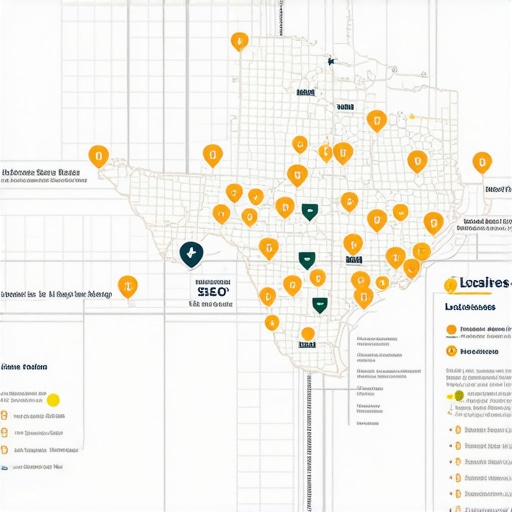
Ensure your primary category reflects your main offering. Regularly adding new photos and responding to reviews reinforces activity signals. Remember, Google prioritizes active and engaged profiles. Learn the latest tactics by reviewing GMB optimization in Texas.
Leverage Local Content and Keywords
Create content that resonates locally—blog posts about Texas events or neighborhood features build relevance. Incorporate geo-specific keywords into your site and GMB description. I once launched a mini blog about Plano’s tech scene, which helped me capture traffic from targeted local searches. Use keywords smartly to improve relevance without overstuffing, and track keywords that bring in leads using tools like Google Search Console.
Build Quality Local Citations and Backlinks
Focus on acquiring backlinks from Texas-centric sources—chambers of commerce, local news, or partnerships. I reached out to a local trade association, secured a backlink, and saw a jump in rankings within weeks. Citations from authoritative sites boost your relevance and trustworthiness. Regularly monitor your local listings for accuracy. For advanced citation and backlink strategies, consult local SEO tips for Plano.
Encourage and Manage Customer Reviews
Reviews are social proof that influence local rankings. I started prompting happy customers to leave reviews after service, making it part of my post-transaction process. Respond to each review, especially the negative ones, to show engagement. Authentic, positive reviews reinforce trust and help rank higher. Remember, reviews impact Google’s perception of your trustworthiness, especially in a competitive Texas market. Check out review signals for local SEO success for more insights.
Maintain Profile Activity and Engagement
Keep your GMB profile active with regular posts, updates, and Q&A responses. I’ve noticed profiles with frequent activity appear more trusted by Google’s AI algorithms. Use Google Posts to share promotions, news, or events—this signals local relevance. Additionally, monitor your insights dashboard consistently and adapt your strategy based on what’s working. For expert techniques, review local SEO tactics for AI search.
Many business owners believe that simply hiring a Texas SEO company or investing in local SEO strategies guarantees top rankings. However, even experienced professionals often overlook a critical factor: the evolving role of user trust signals and AI-driven algorithms in 2026. While optimizing GMB profiles and building local citations are essential, relying solely on traditional methods can lead to stagnation. In my experience, the real differentiator lies in understanding and implementing advanced trust-building signals, such as consistent review management and behavioral analytics, which influence local pack visibility more than basic optimizations. For example, recent studies show that Google prioritizes user engagement metrics over static keyword relevance, making it vital to foster genuine reviews and interaction.
How can you future-proof your local SEO efforts against AI and algorithm shifts?
One approach is to monitor and adapt your strategies based on up-to-date insights—like those offered in “Effective Local SEO Tips for Plano Businesses in 2025. This includes focusing not just on how your profile appears but also on how real customer signals are affecting your rankings. Avoid the trap of over-optimizing without considering user behavior, as that can trigger penalties or invisibility in 2026’s AI-enhanced search landscape. Remember, Google’s algorithms are now smarter at detecting authentic engagement, rewarding businesses that build trust naturally. To deepen your understanding, check out why your Google Maps pin may be failing the 2026 trust test. The key is not just optimizing for AI, but creating a seamless experience that sustains credibility with both users and search engines. So, have you ever fallen into this trap? Let me know in the comments.Keeping your Texas local SEO efforts on track requires the right tools and disciplined strategies. Personally, I rely heavily on advanced analytics platforms like SEMrush and BrightLocal to monitor ranking fluctuations, citation consistency, and review sentiment over time. These tools provide actionable insights; for example, SEMrush’s Position Tracking feature helps identify emerging local competitors and keyword opportunities, allowing me to adjust tactics proactively. Consistent monitoring is crucial because local search algorithms, especially Google Maps in Plano, continually evolve—what works today might be obsolete tomorrow. The key is to stay ahead with real-time data and swift adjustments. Predictably, as AI becomes more sophisticated, integrating automation with manual oversight will be vital for long-term success, reducing the risk of human error and ensuring your citation and review signals remain optimized.
How do I maintain effective local SEO over time? Regular audits and leveraging specialized tools are essential. I schedule bi-weekly checks using BrightLocal to verify citation accuracy across all directories and manage review responses efficiently through SMS and email integrations. Additionally, I utilize Google Sheets with formulas to track changes in rankings and engagement metrics directly, simplifying data analysis. For seamless management, I recommend connecting your review platforms directly with your CRM to track customer feedback trends and respond promptly. This disciplined approach not only preserves your current visibility but positions you for future scaling—whether expanding services or opening additional locations. As the local search landscape advances, staying data-driven and adaptive is non-negotiable. For more in-depth strategies, check out this resource to understand how modern trust signals influence rankings in 2026. I encourage you to try implementing automated review alerts—one simple yet powerful step to keep your reputation sparkle and your rankings secure.
What Lightbulb Moments Shaped My Approach in Texas SEO
One of the most crucial lessons I learned was the importance of genuine engagement over superficial optimization. Early on, I thought stacking keywords and tweaking my GMB profile was enough, but I soon realized that building real relationships through reviews and interactions moved the needle far more effectively in Texas’s competitive local scene. This insight transformed my strategy from mechanical to authentic, leading to meaningful calls and visits.
Why Overlooking Local Trust Signals Can Cost You
During my deep dive into Texas’s local market, I discovered that trust signals like consistent NAP data, review quality, and community involvement are vital—especially as AI algorithms become smarter in detecting authenticity. I had naively focused solely on citations and keywords, but integrating trust-building actions like review management and community outreach made my listings stand out and boosted rankings dramatically.
The Power of Continuous Learning and Adaptation
Real progress in local SEO demands ongoing education. I dedicated time every month to webinars, industry blogs, and local case studies, which kept me ahead of algorithm shifts. My favorite resource has been the series at Effective Local SEO Tips for Plano Businesses in 2025; it offers fresh, actionable insights that I apply immediately, ensuring my strategies remain robust and future-proof.
How Building Community Can Drive Business Growth
One unexpected revelation was how actively engaging with your local community—not just online but offline—can enhance your Google My Business presence. Participating in local events or sponsoring neighborhood initiatives increases your visibility and trust, which search algorithms favor highly. This lesson underscored that local SEO isn’t just about rankings—it’s about being a valued part of your Texas neighborhood.
Let Your Experiences Be Your Guide—And Inspire Others
If my journey has taught me anything, it’s that persistence and humility are key. Every setback taught me to look deeper and adapt smarter. I encourage you to share your own insights or challenges in local SEO—because the community learns best when we grow together. Have you ever faced a situation where trusting your intuition or community connection elevated your business? Share your story below—let’s learn from each other and keep Texas businesses thriving.
Reading this post resonated with my own experience in managing local SEO in Austin. One challenge I encountered was maintaining NAP consistency across numerous directories, especially with frequent updates. What’s been helpful for me is creating a centralized spreadsheet to track all citations, making it easier to spot and correct inconsistencies quickly. I also started focusing more on reviews and community engagement to build trust signals that search algorithms now prioritize. It’s fascinating how the AI shift makes genuine interactions more visible—so what strategies have others found most effective for encouraging authentic reviews without seeming pushy? Also, I’m curious about how others stay updated on the latest AI-driven ranking factors; I’ve been considering webinars and local SEO groups but am open to suggestions. It’s clear that ongoing education and strategic adaptation are vital now more than ever for staying competitive in Texas markets.