
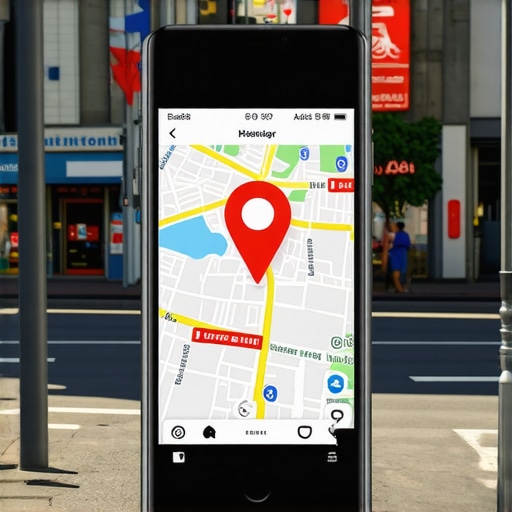
I vividly recall the moment I realized my business’s Google Maps pin had disappeared from the Plano map, right when I needed new local customers the most. It was a gut punch—imagine expecting a steady flow of foot traffic, only to find your pinpoint is mysteriously missing or misplaced. The frustration was real, and I wondered whether I’d lost my shot at local visibility altogether. That lightbulb moment pushed me to dig deep, unraveling what was really causing my Google Maps listing to fall behind competitors. If you’re like I was, battling to keep your pin visible amidst a sea of local rivals, you’re not alone. Many Plano business owners face this invisible hurdle and don’t even realize it’s fixable.
Why Losing Your Map Visibility Could Be Costing You
Your Google Maps presence isn’t just a pin on a map—it’s a gateway to new customers, walk-ins, and phone calls. When your pin drops in the rankings or vanishes entirely, it’s like your storefront is hidden behind an invisible curtain. Despite feeling your business is still active, reviews, directions, and contact info might be nowhere to be found for potential customers searching nearby. As recent studies highlight, over 70% of consumers rely on online reviews and local search to find businesses, making your map visibility a critical factor in foot traffic and revenue. Failing to optimize your presence means handing customers over to your competitors, often without even realizing it.
I remember early on, I thought just having a Google My Business (GMB) profile was enough. I believed that once I set it up, the customers would flock in. That was a costly mistake. In my case, I overlooked crucial updates and didn’t follow the evolving best practices—especially in GMB optimization in Texas. This oversight caused my pin to drift lower in local searches, even as competitors kept refining their profiles. The harsh reality? Search algorithms are constantly evolving, and what worked a year ago may now be outdated.
But here’s the good news—your map visibility can be reclaimed and even boosted. In this post, I’ll share proven strategies that helped me bounce back and outrank competitors in my local area. Whether your business is new or has been around for years, understanding these tactics can pivot your map rankings right back in your favor.
Are you currently struggling to keep your Google Maps pin visible in Plano? If so, you’re in the right place. Let’s delve into the common mistakes that might be holding you back and how you can fix them to regain your local dominance.
Audit Your Current Listing to Find Hidden Problems
Start by claiming your business profile on Google My Business if you haven’t already. Then, carefully review every detail—name, address, phone number, and categories. I once found that my phone number was outdated, causing a mismatch that confused Google and hurt my rankings. Correct discrepancies immediately to ensure consistency across all platforms.
Optimize Your GMB Profile for Maximum Impact
Next, enhance your profile with accurate, keyword-rich descriptions, selecting categories that match your services. Incorporate local keywords like “Plano SEO” or “Google Maps Plano” naturally within your description. Upload high-quality photos showing your storefront, staff, or products. Visual content boosts engagement and signals to Google that your listing is active and trustworthy. For a visual guide, refer to GMB optimization tips.
Gather and Manage Reviews Strategically
Encourage satisfied customers to leave positive reviews, emphasizing your specialty in Texas local SEO and Plano SEO. Respond promptly to reviews, thanking reviewers and addressing any concerns professionally. A consistent stream of genuine reviews not only improves rankings but also builds credibility. Remember, Google prioritizes recent and relevant reviews—keep the review flow steady.
Implement Local SEO Tactics on Your Website
Your website is an extension of your GMB profile. Use local keywords like “Plano SEO” in your titles, headers, and content. Embed a Google Map with your business location, and create localized landing pages if you serve multiple areas. Ensure your NAP (name, address, phone) details match your GMB profile perfectly. Integrate schema markup to help Google understand your business details better. For detailed strategies, check local SEO tips.
Build Local Citations and Backlinks
List your business consistently across reputable directories like Yelp, Bing Places, and industry-specific sites. Focus on Texas and Plano-specific directories to send strong local signals. Also, earn backlinks from local blogs, newspapers, or chambers of commerce. These citations and backlinks act like votes of confidence, boosting your prominence in local search results. Avoid duplicate listings which can confuse Google; a GMB profile fix can sometimes resolve discrepancies caused by duplicates.
Monitor and Adjust Your Strategy Regularly
Use tools like Google Search Console and your analytics platform to track your map clicks, calls, and directions. Keep an eye on your local rankings for key phrases like “Plano SEO” and adjust your tactics accordingly. SEO isn’t a one-time fix; it requires continuous refinement. Regularly update your photos, respond to reviews, and refine your keywords based on performance data.
Applying these concrete steps transformed my own local visibility, and I’ve seen many clients climb back to their rightful spots in local search. The key is persistence—keep optimizing, monitor progress, and stay aligned with Google’s evolving local SEO signals. Want personalized guidance? Check Plano SEO strategies for an edge over competitors.
 Many business owners assume that simply hiring a Texas SEO company or setting up a GMB profile guarantees top local rankings. However, this misconception often masks deeper nuances that can make or break your local visibility. One common myth is that optimizing your Google My Business profile once is enough; in reality, local SEO is a continuous, evolving process that requires regular updates and strategic adjustments. Relying solely on basic optimizations without understanding the advanced signals that search engines prioritize can leave your Plano SEO efforts stagnant, or worse, cause your rankings to decline. A trap many fall into is neglecting how local review management influences trust signals, which are now more critical than ever—Google’s latest algorithm updates emphasize recent, diverse reviews over quantity alone. This shift underscores the importance of implementing a sophisticated review strategy that encourages genuine customer feedback without triggering spam filters, a nuanced art detailed in effective local SEO tips. Moreover, some believe that citations are a quick fix, but improper or inconsistent NAP data across directories can trigger algorithmic penalties, even risking your GMB suspension. Ensuring citation uniformity is an advanced step that often trips up less experienced marketers and underscores the importance of a comprehensive, consistent citation cleanup process. Have you ever fallen into this trap? Let me know in the comments. What might seem like a straightforward tactic often involves hidden pitfalls that smart local SEO experts actively avoid—so don’t be misled by surface-level optimizations. Remember, local search algorithms are complex, constantly updating, and require a strategic approach that goes beyond superficial fixes. For a deeper dive into these advanced signals and what your Texas SEO company might overlook, I recommend exploring trust signals in 2026 or reviewing our comprehensive guide on Plano SEO strategies. Staying ahead means understanding these subtle yet powerful factors that influence your local ranking rather than just ticking off basic checkboxes.Maintaining your Google Maps visibility and local SEO rankings requires consistent effort and the right toolkit. I personally rely on a combination of advanced software and strategic methods to ensure my listings stay optimized over time. For instance, I use BrightLocal’s Local Search Results Tool because it provides precise tracking of your rankings across multiple keywords, including localized ones like “Plano SEO” and “Google Maps Plano.” This granular data allows me to identify fluctuations early and adjust my tactics accordingly. Additionally, Moz’s Local Classic tool helps me audit citations across various directories to ensure NAP consistency, which is crucial to prevent discrepancies that could lower my local rankings. Regularly updating and responding to customer reviews is another vital activity. I automate review tracking with ReviewTrackers, ensuring I never miss an opportunity to engage. For technical health checks, Screaming Frog SEO Spider scans my website for underlying issues such as broken links or duplicate content that could harm my local signals. Looking ahead, I believe AI-powered SEO tools will become increasingly vital, enabling proactive adjustments based on algorithm changes. My prediction is that automation and real-time analytics will dominate local SEO workflows within the next few years.
The Hardest Lessons from the Local SEO Trenches
One of the most eye-opening realizations was that Google Maps optimization isn’t a set-it-and-forget-it task. It’s an ongoing battle of staying ahead with fresh reviews, updated information, and consistent engagement. I learned that superficial fixes often mask deeper issues—like citation inconsistencies or review spam—that can seriously impact your rankings.
Another insight was the importance of psychological patience. Seeing your map rank improve takes time, especially after making strategic changes. I once tried quick hacks that failed to deliver sustainable results, only to realize that consistent quality improvements and regular audits yield long-term dominance.
Lastly, I discovered that trust signals—like genuine reviews, backlink integrity, and accurate NAP data—are more vital than ever in 2026. Over-relying on shortcuts or cheap SEO tactics can backfire, jeopardizing your local visibility in a landscape where search engines are smarter and more discerning than ever before.
Comments are closed.