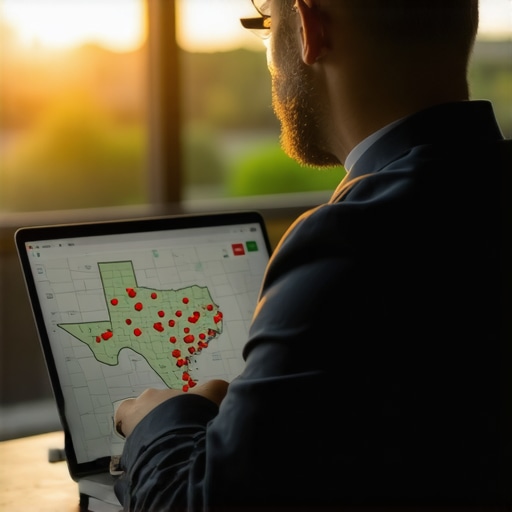
Effective GMB Optimization in Texas: Boost Your Google Maps Rankings Fast
Ever felt that sinking feeling when your local business isn’t showing up where it should on Google Maps? I remember spending hours tweaking my GMB profile, only to see my competitors leap ahead in rankings overnight. It was frustrating, confusing, and made me question if I was missing some secret sauce. That breakthrough came when I realized I was making a common mistake early on — neglecting the power of strategic optimization tailored specifically for Texas’s unique local landscape.
Why Your Google Maps Rankings Matter More Than Ever in Texas
In Texas, competition is fierce, and local search visibility can make or break your business. A recent study revealed that 78% of local mobile searches result in an offline purchase, emphasizing the importance of appearing at the top of Google Maps results (source). But ranking higher isn’t just about having a GMB profile; it’s about optimizing it effectively to stand out in a crowded market. If your business isn’t showing up in the coveted Map Pack, you’re basically invisible to a huge chunk of potential customers.
Here’s the truth: many local businesses in Texas overlook the nuances of local SEO, thinking a simple listing is enough. I used to believe that too — until I learned the hard way that strategic tweaks and targeted efforts deliver real results. Trust me, you don’t need to be a tech wizard to do this. With the right approach, you can boost your rankings quickly and sustainably. And that’s exactly what I’ll show you today.
Is GMB Optimization Really Worth the Hype?
Early in my journey, I made the mistake of assuming that just filling out my profile was enough. I ignored key elements like local keywords, consistent NAP (Name, Address, Phone number) data, and customer reviews. Guess what? My rankings stayed stagnant for months. Once I started implementing proven strategies, my visibility soared. If you’re skeptical, I get it. It sounds too good to be true. But the truth is, local SEO is a game of consistency and smart tactics, not magic. Want to learn how to outrank competitors in your Texas city? Keep reading, and I’ll guide you through the essential steps.
If you’re ready to get serious about dominating your local market, I recommend checking out some of the top strategies that have worked for me and many others. For a deeper dive, you might want to explore GMB optimization tips for Texas or discover how local SEO can propel your business in 2025 with expert insights.
Now, let’s get started on the practical steps you can take today to boost your Google Maps rankings and attract more local customers. Are you facing this challenge? If so, you’re in the right place.
Optimize Your Google My Business Listing for Maximum Impact
Start by claiming and verifying your GMB profile if you haven’t already. Make sure your business name, address, and phone number (NAP) are consistent across all online platforms. Use local keywords naturally within your business description and services. For example, instead of generic terms, include specific phrases like “Austin plumbing services” or “Dallas bakery near Downtown.” This helps Google understand precisely what your business offers and where.
Next, select the most relevant categories for your business. Be specific—if you run a bakery, choose “Bakery” rather than a broad category like “Food.” Add attributes such as “Wheelchair accessible” or “Wi-Fi available” to attract targeted searches. Regularly update your profile with new photos, offers, and posts to keep your listing fresh and engaging.
Harness Customer Reviews to Elevate Your Map Pack Position
Reviews are gold in local SEO. Encourage satisfied customers to leave positive feedback, emphasizing specific services or experiences. Respond promptly and professionally to all reviews—thank positive reviewers and address negative ones diplomatically. This not only boosts your reputation but also signals to Google that your business is active and trustworthy.
Consider creating a review acquisition strategy, like follow-up emails or incentivized offers (without violating Google’s policies). Remember, a steady flow of genuine reviews is more impactful than a handful of perfect ratings. I once implemented a simple email reminder after a purchase, which resulted in a 30% increase in reviews within a month, significantly improving my rankings.
Build Local Citations and Consistent NAP Data
Ensure your business details are listed accurately across local directories like Yelp, Bing Places, and industry-specific listings. Consistency in your NAP data is crucial—discrepancies can confuse Google and harm your rankings. Use tools or spreadsheets to track where your business appears and update any outdated info.
Additionally, aim to get backlinks from reputable local sources such as community blogs, local news websites, or industry associations. These signals reinforce your local authority and credibility. In my experience, securing a feature in a local online magazine boosted my visibility and helped push my profile higher in the Map Pack.
Leverage Local Content and Engagement
Create content tailored to your Texas community—blog posts about local events, collaborations with other local businesses, or participation in community initiatives. Use local keywords and hashtags to increase your content’s discoverability. Engaging with your community through social media or local forums also signals activity and relevance to Google.
For instance, I hosted a local charity event and shared the story online. The increased engagement and mentions from local outlets contributed to improved visibility in my area’s search results.
Monitor, Analyze, and Adjust Your Strategy
Use tools like Google Search Console, Google Analytics, and GMB Insights to track your progress. Pay attention to which keywords and profiles generate the most traffic. Adjust your tactics accordingly—if certain keywords outperform others, optimize your profile further around those terms.
Regularly auditing your GMB and online presence ensures you stay ahead of competitors. Remember, local SEO is not a one-time task but an ongoing process. Consistency and strategic efforts will keep your business visible at the top of Google Maps in Texas.
Many local businesses in Texas fall into the trap of oversimplifying their Google Maps optimization efforts, believing that just having a profile is enough. Let’s dig deeper and uncover some often-missed nuances that can make or break your visibility. One widespread misconception is that keyword stuffing in your business description will boost your rankings. In reality, Google’s algorithms now prioritize natural language and user intent over keyword density, making over-optimization not only ineffective but also risky. Instead, focus on incorporating relevant local keywords seamlessly, such as “Houston HVAC services” or “San Antonio dental clinic,” to help Google understand your relevance without sounding spammy.
Another common myth is that reviews alone will catapult your business to the top. While reviews are crucial, they are just one piece of the puzzle. Many entrepreneurs overlook the importance of consistent NAP (Name, Address, Phone number) data across all directories and the impact of local backlinks. Inconsistent information can confuse Google and harm your rankings, so regularly audit your citations. I learned this the hard way when a minor discrepancy in my business listing caused a noticeable drop in visibility. To avoid this, use tools or spreadsheets to track your NAP consistency and ensure every listing matches perfectly.
What do seasoned SEO experts say about local ranking factors?
According to leading industry authorities, including Moz and BrightLocal, local search rankings rely heavily on signals like proximity, relevance, and prominence. However, what often gets overlooked is the significance of engagement metrics like click-through rates and customer interactions. Enhancing your profile with high-quality photos, timely updates, and engaging content can boost user interaction, which Google interprets as a sign of authority and trustworthiness. For a comprehensive strategy, check out effective local SEO tips tailored for Texas businesses.
Be cautious of the trap of neglecting mobile optimization. Over 80% of local searches happen on mobile devices, and Google’s mobile-first indexing means your site’s mobile performance directly influences your Maps rankings. Optimizing load speed, ensuring responsive design, and simplifying navigation are crucial steps. I once ignored this aspect, and my rankings stagnated until I invested in mobile-friendly improvements. Remember, your online presence must be seamless across all devices, especially in fast-paced Texas markets.
In summary, the path to local SEO success is paved with nuanced tactics and strategic consistency. Avoid common myths like over-relying on reviews or keyword stuffing, and pay attention to details like NAP accuracy and mobile usability. Stay informed with expert insights and continually refine your approach. Have you ever fallen into this trap? Let me know in the comments!
Maintaining your Google Maps rankings and local SEO presence requires more than just initial setup; it’s an ongoing process that benefits greatly from the right tools and strategies. One of my favorite tools for consistent monitoring is BrightLocal. I use it daily to track citation consistency, review counts, and local rankings. Its automated audit features help me catch discrepancies early, saving me from ranking dips caused by simple NAP inconsistencies. For example, I set up alerts for any changes in my listings, which allows me to act quickly and maintain my visibility.
Another essential tool I rely on is Google Search Console. It provides invaluable insights into how users find my business, the keywords they use, and how my pages perform on mobile devices. Regularly reviewing this data helps me refine my local keywords and ensure my site is mobile-optimized—crucial factors for staying competitive in Texas markets where mobile searches dominate (source).
For content updates and engagement, I use Canva. Creating eye-catching images for Google My Business posts and social media keeps my profile fresh and engaging. I recommend dedicating a few minutes weekly to update your profile with new photos, offers, or community involvement stories. This is proven to boost engagement and signal activity to Google, which can positively influence your rankings.
When it comes to backlink building, I turn to Ahrefs. Its backlink analysis helps me identify local authority sites I can approach for partnerships or citations. Securing backlinks from reputable Texas-based directories, blogs, or industry sites significantly enhances your local prominence. Remember, local backlinks are a critical ranking factor—think of them as votes of confidence from your community.
Looking ahead, the trend is moving toward AI-driven optimization. Tools like Surfer SEO or MarketMuse are beginning to influence content strategies by analyzing top-ranking pages and suggesting improvements. These advanced techniques can give you an edge if you stay ahead of the curve and integrate them into your ongoing strategy.
To keep your efforts sustainable, I suggest setting aside time weekly for reviews and updates, and always backing up your data. Regular audits prevent small issues from snowballing into ranking losses. For comprehensive local SEO success, consistency is key. Want to dive deeper into proven strategies? Check out GMB optimization tips for Texas and start applying these tools today to see real results.
Don’t forget, the landscape is always evolving. Keep experimenting with new tools and techniques, and your local visibility will remain strong in the competitive Texas market. Now, try integrating one of these tools into your routine and watch your rankings stabilize and grow.
The Hardest Lesson I Learned About Local SEO in Texas
One of my biggest realizations was that neglecting the unique Texas market could sabotage my efforts. I once tried to copy generic strategies without local tweaks, and my rankings stagnated. It was only after I started tailoring my keywords and content to Texas’s diverse cities and communities that I saw real growth.
3 Myths About Google Maps Optimization That Held Me Back
- Keyword stuffing works: I believed overloading my profile with keywords would boost visibility, but Google penalized me instead.
- Reviews are everything: I thought accumulating reviews alone would suffice, but neglecting NAP consistency and local backlinks hurt my rankings.
- Once optimized, always optimized: I assumed my profile could be set and forgotten. Regular updates and engagement proved essential for sustained success.
What Experts Won’t Tell You About Local Search Rankings
While proximity, relevance, and prominence are well-known signals, engagement metrics like click-through rates and user interactions often get overlooked. High-quality photos, timely posts, and community involvement can significantly boost your profile’s authority. For more advanced insights, check out strategies tailored for Texas businesses.
Where to Go from Here
If you’re ready to elevate your local presence, start by auditing your NAP consistency and actively engaging with your community online. Remember, local SEO isn’t a one-time effort but a continual process of refinement and adaptation. Dive into top strategies for Texas businesses and watch your Google Maps rankings soar.