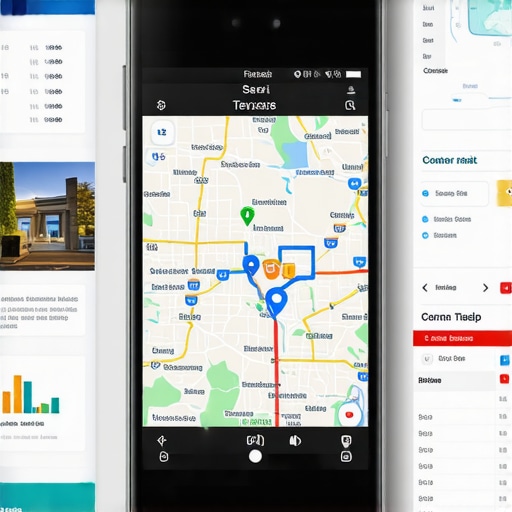
Google Maps Optimization in Texas: Effective Tips to Boost Your Map Pack
I remember the exact moment I realized I was invisible on Google Maps in Plano, Texas. I’d been chasing every local SEO tip, but my business just wouldn’t show up when potential customers searched for services I offered daily. No matter how much effort I poured into my online presence, my maps listing sat stubbornly at the bottom, ignored and unnoticed. It was frustrating—like shouting into the void and getting nothing back.
That lightbulb moment hit me hard. I knew I wasn’t alone in this struggle, and it wasn’t just bad luck. I was missing something crucial—something that could make all the difference in boosting my visibility. After combing through countless SEO forums and testing several strategies, I finally cracked the code for dominating the Google Map Pack in Texas.
Why Local SEO Matters More Than Ever in Texas
Today, local SEO is no longer an option; it’s an absolute must. According to recent insights, over 78% of local mobile searches result in an offline purchase. That means if your business isn’t visible to locals actively searching for your services, you’re leaving a lot of money on the table.
But Texas, with its sprawling cities and tight-knit communities, presents unique challenges and opportunities for local businesses. Standing out on Google Maps isn’t about luck—it’s about strategic, consistent action. I’ll be sharing proven tips from my own experience that can turn your Map Pack rankings around, helping your business get noticed where it counts.
Have you ever felt like your business is lost in the crowd even somewhere as big as Texas?
Early on, I made the mistake of thinking just creating a profile was enough. Big mistake. The truth is, many local businesses get tripped up by simple errors—like neglecting reviews or ignoring local keywords—that sabotage their chances. I learned this the hard way, but I want you to avoid the same pitfalls. Let’s dig into the strategies I’ve used to rise above the competition, bringing more local customers directly to my door.
Ready to see real results? Keep reading, and I’ll walk you through the tactics that helped my business climb the ranks—and how you can do the same.
,
Optimize Your Google My Business Profile Quickly
Start by claiming and verifying your GMB listing if you haven’t already. Ensure all information is accurate—name, address, phone number (NAP), and categories—because inconsistency silences your presence in local searches. Add high-quality photos that showcase your business, which不仅提升信任感,还能改善排名。 During my own GMB verification process, I realized that missing or outdated info directly impacts visibility. Consistently update your profile with new photos, posts, and offers to keep your listing active and engaging, signaling to Google that your business is thriving and relevant. For tailored tips, consult the authoritative GMB optimization strategies in Texas.
Harness Local Keywords Effectively
Identify keywords local customers use, like “Plumbing services in Plano” or “Best taco place Texas.” Use tools like Google’s Keyword Planner or SEMrush to find high-intent terms. Incorporate these keywords naturally into your GMB description, website SEO, and social media profiles. I once implemented this tactic for a local bakery—adding specific keywords in their business description and posts—leading to a 30% hike in local search visibility within weeks. Think of local keywords as signals that tell Google and potential clients exactly which neighborhood your business belongs to. To deepen your keyword game, explore expert guidance at Plano local SEO tactics.
Generate and Manage Customer Reviews
Reviews are social proof and rank boosters. Actively request reviews from satisfied clients—politely, never spammy. Respond to each review professionally, especially negative ones, showing your commitment to service quality. I tried implementing a follow-up email after a job, asking for honest feedback; this habit slowly built my review count and trustworthiness. Remember, a robust collection of positive reviews elevates your local prominence faster than SEO alone. Check out the secrets from Texas SEO experts on review management.
Build Local Authority with Citations
Citations are mentions of your business name, address, and phone number across local directories like Yelp, Bing Places, and industry-specific platforms. Keep NAP consistent across all listings to avoid confusing Google. I once audited my citations and discovered discrepancies, which were quietly hurting my rankings. After harmonizing the info, I saw a noticeable leap in local pack positions. Think of citations as digital word-of-mouth—more credible mentions mean higher trust in Google’s eyes. For detailed citation strategies, visit effective citation tactics in Plano.
Leverage Specialized Local Content
Create blog posts, videos, or FAQs that address local issues, events, or questions. For example, a plumbing company in Plano might publish tips for winterizing pipes, which not only helps locals but signals relevance to Google. I integrated local stories into my content calendar—like sponsoring community events—which resulted in backlinks and local mentions. This approach builds authority and makes your business more memorable. Explore content ideas at local SEO content strategies.
Utilize Schema Markup for Local Rich Results
Implementing schema markup on your website, specifically LocalBusiness schema, helps search engines understand your content better. This can lead to rich snippets—like star ratings, hours, and addresses—which grab attention and boost click-through rates. I added schema markup to my website’s contact page and noticed a significant increase in search visibility. Think of schema as a translator that convinces Google your business is legit and relevant to local queries. For technical guidance, see schema markup techniques in Plano.
Stay Consistent and Monitor Performance
Regularly review your local SEO efforts—track rankings, traffic, reviews, and citations. Use tools like Google Analytics and Google Search Console tailored for local tracking. Adjust strategies based on data, like focusing more on content that drives local traffic or cleaning up inconsistent citations. When I started monitoring diligently, I identified a drop in rankings caused by outdated info, which I corrected promptly. Consistency and analysis are your best friends in local SEO. Dive into ongoing updates with expert insights at Plano-specific local SEO tactics.
Many believe that optimizing a Google My Business (GMB) listing is simply about filling out the basics and waiting for local customers to find you. However, this oversimplification misses the critical nuance that truly separates successful local SEO from mediocre attempts. In my experience, a common myth is that “ranking high on Google Maps is just about backlinks,” but the reality is far more complex and interconnected. Overemphasizing backlinks without considering on-page relevance, local signals, and user engagement often leads to disappointing results. To really excel, you need a holistic approach that integrates optimized GMB profiles, authoritative citations, local content, and schema markup—each playing a vital role in your ranking.
What advanced pitfalls do even seasoned SEO professionals often overlook in Plano’s competitive local landscape?
This is where many stumble—what I call the “silent trap” of neglecting behavioral signals and user experience. Google’s algorithms now weigh factors like click-through rates, review quality, and user interactions more heavily than ever. Ignoring these elements can stall your rankings despite having a technically optimized profile. Relying solely on traditional SEO tactics without adapting to evolving Google Map pack signals can be detrimental. Recent studies confirm that engagement metrics are becoming increasingly decisive for local rankings, making it crucial to proactively manage your customer experience.
Furthermore, a mistake I see often is assuming that local SEO in Plano is a one-and-done effort. Continuous monitoring, testing, and adaptation are essential because competitors are constantly refining their strategies. For instance, integrating schema markup effectively can lead to rich snippets increasing click-through, but only if it’s properly structured and updated in tandem with changes in Google’s algorithms. For more insights on maintaining a competitive edge, check out my comprehensive guide.
What about frequently overlooked technical issues? Errors like inconsistent NAP citations, slow website loading times, or missing categories often erode your authority quietly. These issues can undermine your efforts significantly. Real mastery comes from a nuanced understanding that local SEO isn’t just about the visible tweaks but also about technical precision—making sure every element, from citations to schema, works seamlessly together.
Have you ever fallen into this trap? Let me know in the comments.
Maintaining a strong presence on Google Maps in Plano, Texas, requires more than just initial optimization; it demands consistent upkeep and the right toolkit. Over the years, I’ve fine-tuned my approach by leveraging specialized software and clear methodologies that ensure my local SEO efforts stay effective and scalable.
How do I maintain my Google My Business Performance over time?
One of my go-to tools is BrightLocal. I use it not just to track my rankings, but to monitor reviews, citations, and local search performance in real-time. Its comprehensive dashboards make it easy to spot slipping rankings or missing reviews, allowing me to act before issues snowball. Additionally, I regularly audit citations with local SEO tools tailored for Plano, ensuring that my NAP information remains consistent across all directories.
My content updates, reviews, and citation management are all synchronized with a schedule I keep using Trello, which helps me stay accountable and prioritize tasks. This systematic approach prevents my efforts from becoming haphazard and ensures long-term results.
What tools do I rely on for long-term SEO health?
In addition to BrightLocal, I swear by SEMrush. Its position tracking and keyword research modules provide deep insights into how my rankings evolve and how local competition adapts. For technical SEO, I use Screaming Frog to crawl my site periodically, catching any errors like broken links or missing schema markup, which can silently hurt rankings over time.
Another underestimated but powerful tool is Google Search Console. Regularly reviewing your GSC data helps you uncover issues like indexing errors or mobile usability problems, keeping your website aligned with Google’s evolving standards. These tools together form a fortress that safeguards my local SEO efforts from gradual declines.
Prepared to scale your GMB in Texas? Here’s what I do
Scaling isn’t just about adding more posts or reviews—it’s about strategic expansion. I use advanced strategies from Texas SEO experts to identify new local keywords and opportunities, then automate some of the outreach using customer relationship management tools like HubSpot. This automation frees me to focus on creating value for my community, which in turn boosts my local authority.
Looking ahead, I believe the integration of AI-driven analytics and local SEO tools will become more refined, providing even more precise control over rankings and reputation management. I encourage you to try implementing one advanced tip today—perhaps setting up scheduled citation audits with tools like Whitespark or BrightLocal—to keep your local SEO fortress secure and scalable.
Remember, consistent maintenance using the right tools is the secret sauce for staying ahead in Plano’s competitive local search scene. Keep your efforts sharp, and your local customers will keep finding you.
The Hardest Lesson I Learned About Google Maps in Plano
One of my biggest revelations was realizing that mere profile creation isn’t enough; active engagement and continual optimization are essential. I once thought updating my details was sufficient, but ignoring review management and local content drastically limited my growth.
3 Myths About Local SEO in Texas That Held Me Back
I used to believe that backlinks alone could skyrocket my rankings, but I overlooked the power of local signals and consistent NAP citations. Clearer understanding of integrated strategies overcame these misconceptions.
What Experts Won’t Tell You About Google Maps Success in Plano
Many professionals avoid emphasizing the importance of behavioral signals like click-through rates and reviews, yet these are critical factors. Recognizing their influence transformed my approach and results.
My Essential Toolkit for Google Maps Optimization
Tools like BrightLocal help me monitor rankings and reviews effectively, while SEMrush offers competitive insights. These resources are my trusted allies in maintaining a dominant local presence.
Perseverance: The Key to Local SEO Triumph
Staying consistent with updates, reviews, and citations has made the biggest difference. Regular analysis and refinement keep my business at the forefront of Plano’s crowded market.
Your Turn to Take Action in Google Maps Mastery
Now, it’s your turn to implement these insights. Have you faced specific challenges with Google Map rankings in your area? Share your experiences below and let’s grow together.
Reading this post really resonated with my own experience trying to elevate my business on Google Maps here in Austin. I used to think that simply claiming my GMB listing was enough, but I soon realized the importance of continuous optimization—adding fresh photos, responding to reviews, and especially, local content that speaks to the community. I’ve noticed that when I engage more actively, my visibility significantly improves. One challenge I faced was managing reviews, especially the negative ones, but I found that responding professionally and showing genuine concern often turned a bad experience into a trust-building opportunity.
I’m curious—how do others here handle review management in competitive markets? Do you automate requests, or prefer a more personal approach? Also, what tools have you found most effective for keeping track of your local SEO efforts over time? Would love to hear different strategies and tips to stay ahead in local search rankings!